
 All Caps
 ScopeCaps
 LightCaps
 Red Dot Caps
 Night Vision Caps
 Thermal Caps
 Specialty Caps
 Lights
 Red Dots/HWS
 Magnified Optics
 Lasers
 Slings
 Night Vision Devices
 Thermal
 Helmets
 Accessories
 Camouflage
 Water
Water
 Faraday
 EDC
EDC
 Apparel
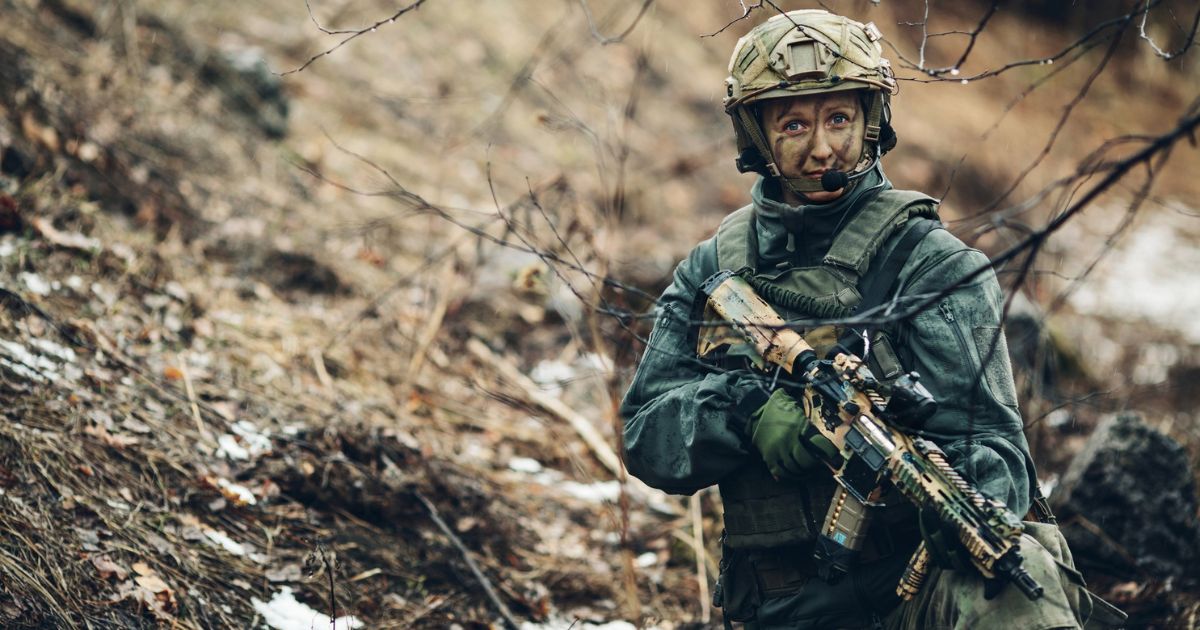
How Weather & Terrain Change Your Visual Signature
Environmental conditions change your visual signature by changing how you and your gear look against the surrounding terrain. Light, moisture, dust, snow, shadows, and seasonal changes can all affect color, contrast, reflection, texture, and how easily shapes stand out.
Your gear does not have one fixed visual signature. How noticeable it is depends partly on what is behind and around it, and that background can change quickly.
Changing Light Can Make the Same Gear Look Completely Different
You do not have to change terrain for your visual signature to change. As the direction and intensity of light shift throughout the day, the same gear can become more or less noticeable against the same general background.
Direction and Intensity Change Contrast
Direct sunlight can create bright highlights alongside deep shadows, increasing contrast across your gear and surroundings. Overcast skies tend to soften those differences, while early and late daylight hits surfaces from lower angles and changes how light or dark they appear.
Your position also matters. Moving from open terrain into tree cover, for example, changes how much light reaches you and what sits behind you. Gear that looked muted in direct sunlight may appear unusually light or dark once you move into shade.
Changing light angles can also reveal reflective surfaces that were not noticeable before. This is not limited to just scope glint. Lenses, hardware, and smooth surfaces can catch available light differently as either you or the light source changes position.
Shadows Can Help Conceal You or Make Your Shape Easier to Read
Shadows reduce visible detail, but being in shadow does not automatically mean you are harder to see. A dark shape against a bright opening can create enough contrast to make your outline easier to recognize.
Your own shadow can also extend beyond the cover you are using. As the sun moves, a rifle, pack, helmet, or your body may cast a distinct shape onto an exposed surface even when the equipment itself remains concealed.
Movement makes this more noticeable. A stationary shadow may blend with other dark areas, while a shadow that suddenly shifts can draw attention.
Wet Conditions Change Color, Contrast, and Reflectivity
As moisture settles onto your equipment and the terrain around you, it can change how surfaces look and how they respond to light.
Rain Can Darken Both Terrain and Equipment
Soil, rock, bark, vegetation, fabric, and other materials often appear darker when wet. The important part is that they don’t necessarily darken by the same amount.
A pack that closely matched dry vegetation might remain relatively light while the vegetation becomes much darker. The opposite can also happen. Either way, a close match in dry conditions creates more contrast once everything gets wet.
Water can also change how a surface looks beyond its color. Texture becomes less apparent, and surfaces that looked flat or muted when dry can appear smoother once covered with moisture.
Moisture Can Create Reflective Surfaces
Water can also make previously subdued surfaces interact with light differently. Lenses, painted or coated components, hardware, and other smooth surfaces can become more reflective when wet.
The terrain changes, too. Wet rocks, leaves, pavement, or standing water introduce reflections that were not present when the area was dry.
This does not mean every wet surface suddenly becomes a major signature problem. But it does mean water changes both your equipment and its background, sometimes in different ways. Once conditions shift from dry to wet, reassess how your setup looks in the environment you are actually moving through.
Dust Can Change the Appearance of Your Gear

In dry environments, dust can gradually change how your equipment looks. Fine particles settle onto clothing, packs, rifles, optics, and accessories, shifting their color closer to the surrounding soil and terrain.
That coverage is rarely uniform. Areas you handle frequently will stay cleaner, while seams, recesses, and upward-facing surfaces collect more dust. Contact with your body, vegetation, or other equipment can also rub dust away and expose the original color underneath.
Walking, changing positions, or handling dusty equipment can disturb loose material and create a visible cloud, especially against a darker or more uniform background.
This isn’t to say you need to cover your equipment in dirt. However, it’s important to recognize that dry terrain can change the appearance of your setup, and those changes can affect your visual signature.
Snow Can Turn Previously Subdued Gear Into High Contrast
A dark rifle and earth-tone equipment may blend reasonably well against exposed soil and vegetation. Once snow covers much of that same terrain, the darker equipment becomes much easier to pick out against the lighter background.
But snow rarely creates a completely white environment. Trees, rocks, brush, shadows, and patches of exposed ground can remain visible even after significant snowfall. As snow melts or coverage becomes uneven, the landscape becomes a mix of light and dark areas.
That means the background behind you can change over just a few feet. Dark equipment may blend with exposed brush or tree cover, but create strong contrast against a patch of snow directly behind it.
Instead of treating winter conditions as simply "snow means white," look at the actual background from the direction and distance that matter. Where you position yourself within patchy terrain can be just as important as the colors on your gear.
Seasonal Changes Can Transform the Same Terrain
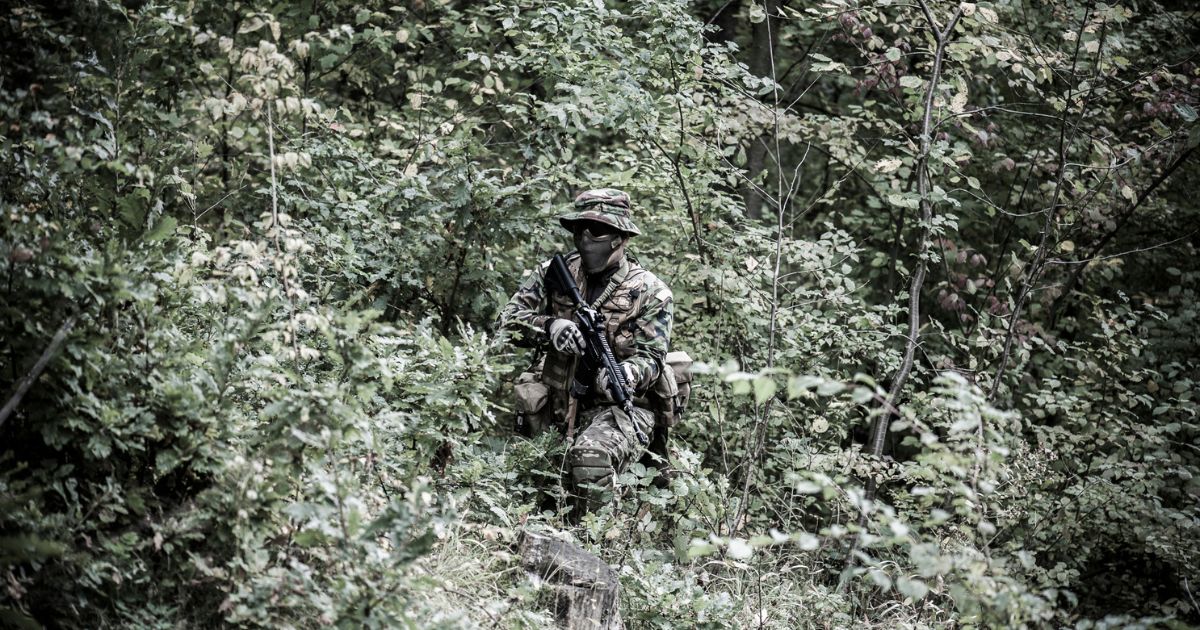
A location you know well in summer can look completely different several months later, even though the terrain itself has not changed. Green vegetation may turn brown or gray, grass can dry out, leaves fall, and snow may cover parts of the ground.
Those changes also affect how much of the environment you can see. Dense summer vegetation can hide rocks, soil, structures, and other features that become exposed once leaves fall. Bare branches create different shapes and shadows, while thinner vegetation will leave you and your gear with less visual cover.
Color Is Only One Part of a Seasonal Change
It is easy to focus on whether your gear still matches the dominant colors around you, but seasons change more than color. They can change the texture and density of vegetation, available concealment, lines of sight, how much light reaches the ground, and where shadows form.
A setup that worked well during summer can behave differently in winter, even if its colors still fit reasonably well. The entire visual environment has changed, so evaluating seasonal terrain means looking beyond the camouflage pattern alone.
Reassess Your Visual Signature When Conditions Change

Instead of treating your setup as finished once you have reduced its obvious signatures, it is worth taking another look when:
- Lighting changes significantly: Different angles and intensities change contrast and reveal reflective surfaces.
- You move between open terrain and cover: Your background and the amount of light reaching your gear can change quickly.
- Rain begins or surfaces dry: Moisture can change color, texture, and reflection.
- Dust accumulates: Uneven buildup can change the color and appearance of exposed surfaces.
- Snow falls, melts, or becomes patchy: Dark equipment may stand out differently as the balance between snow and exposed terrain shifts.
- You enter different terrain: A setup that works against one background may create more contrast against another.
- Seasonal vegetation changes: Changes in color, density, and available cover can alter the entire visual environment.
As you reassess, look at contrast, reflection, shape, shadow, and texture. Pay attention to anything that looks noticeably different from its surroundings or makes you or your equipment easier to recognize.
Most importantly, check your setup from the distance and direction that matter. Looking down at your rifle or gear from arm's length tells you very little about how it appears against the surrounding terrain. Change your viewing angle and move farther away when practical to see how the complete setup actually reads in the environment.
For more on signature reduction, check out our other guides:
- The 7 S’s of Camouflage: A Guide to Signature Reduction
- Common Gear Mistakes That Increase Your Visual Signature
- Why Shape Can Matter More Than Camo Pattern at Distance
Build a Setup That Can Adapt With the Environment
No single camouflage pattern or gear configuration will blend equally well in every environment. Conditions change, so your approach to signature reduction needs enough flexibility to change with them.
You can’t make your setup completely disappear under every possible condition. But you can understand what the environment is doing to your visual signature, recognize when something has changed, and have practical ways to adapt.
For adaptable concealment, build your signature-reduction setup around the conditions you actually face with One Hundred Concepts.

Leave a comment
This site is protected by hCaptcha and the hCaptcha Privacy Policy and Terms of Service apply.