
 All Caps
 ScopeCaps
 LightCaps
 Red Dot Caps
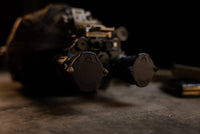 Night Vision Caps
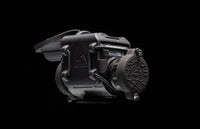 Thermal Caps
 Specialty Caps
 Lights
 Red Dots/HWS
 Magnified Optics
 Lasers
 Slings
 Night Vision Devices
 Thermal
 Helmets
 Accessories
 Camouflage
 Water
Water
 Faraday
 EDC
EDC
 Apparel
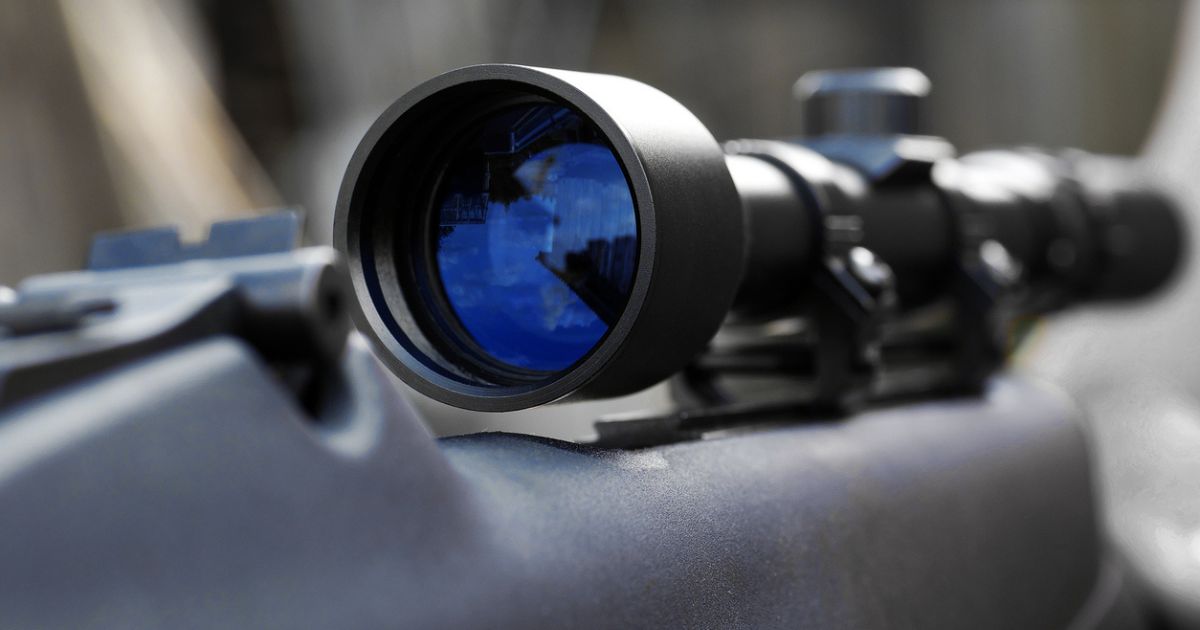
Is Scope Glint Real? What Shooters Should Know
Scope glint gets talked about a lot in movies and video games, usually as a bright flash that instantly gives away a shooter’s position. In real-world conditions, though, it’s not that simple.
Yes, scope glint is real, but reflection is only one part of visibility. Understanding how scope glint actually works helps separate Hollywood exaggeration from practical concealment and rifle setup decisions.
What Is Scope Glint?
Scope glint is the visible reflection of light off an optic lens. It happens when sunlight or another strong light source hits the glass at the right angle and reflects outward. Under the right conditions, that visual signature can make the optic easier to spot from a distance.
That said, scope glint is not a constant beam of light shining from the optic. Reflection depends heavily on angle, lighting conditions, lens exposure, and positioning. In many situations, there may be little to no visible visual signature at all.
You might notice this effect more in open terrain or during low-angle sunlight near sunrise or sunset. A shooter positioned directly into the sun is more likely to create a visible reflection than someone working from shadow or broken terrain.
Modern optics also reduce reflected light better than older designs. Lens coatings, scope caps, and anti-reflective devices all help limit the amount of light that leaves the optic. Even so, no optic is completely reflection-proof under every condition.
And that’s an important distinction. Scope glint is possible, but it is not constantly visible the way movies and video games often portray it.
Why Scope Glint Looks Different in Movies and Video Games
Most people recognize scope glint from movies and video games long before they encounter it in real life. In entertainment, the reflection often serves as a warning that a hidden shooter is nearby.
In movies, that bright flash helps the audience understand where the threat is coming from. Without it, a distant shooter would often be difficult to show on screen. The reflected light becomes part of the tension and storytelling.
Video games use scope glint a little differently. In many multiplayer games, it works as a balancing mechanic. A visible reflection gives other players a chance to detect and react to a sniper before being engaged from long distance.
That’s why the scope glint in video games is often exaggerated. The visual signature may appear brighter, larger, or more consistent than it would under real-world conditions since it’s designed to be noticeable.
When Scope Glint Actually Becomes a Problem

While entertainment exaggerates scope glint, optic reflection can still become a real visibility issue under the right conditions.
Light Angle and Environmental Conditions
Scope glint becomes more noticeable when strong light hits the optic at the right angle.
- The sun's angle affects how likely an optic is to reflect light. Low-angle sunlight during early morning or late afternoon creates stronger reflections than overhead midday light.
- Artificial light can also produce visible reflected light. Vehicle lights, handheld lights, and IR illumination can all reflect off exposed glass under certain conditions.
- The environment matters just as much as the light source. Open terrain with direct sunlight usually creates a higher chance of visible reflection than shaded areas with broken cover. Snow, sand, water, and other bright surfaces can also increase visibility by bouncing additional light into the environment.
That’s why shooters pay attention to both light direction and terrain before settling behind an optic. A small shift in position can sometimes significantly reduce the visual signature.
Movement Often Draws Attention Before Reflection
In many situations, movement is easier to detect than scope glint itself.
- Sudden repositioning behind an optic can catch attention, especially against still terrain. Even small movements become easier to notice when the environment around them stays consistent.
- You might also see this happen when gear shifts during movement. Loose straps, swinging equipment, or exposed reflective surfaces can create brief flashes that stand out more than the optic lens itself.
- Silhouette changes matter too. A person moving along a ridgeline or exposing the shape of a rifle against open sky becomes easier to spot, even without visible optic reflection.
This is one reason experienced shooters think about visual signature as a complete system rather than a single issue. Reflection matters, but so do movement discipline, gear placement, concealment, and environmental awareness.
How Shooters Reduce Scope Glint and Optic Reflection
Shooters reduce scope glint through a combination of gear, positioning, and environmental awareness.
Anti-Reflective Devices

One of the most common ways shooters reduce optic reflection is by using anti-reflective devices.
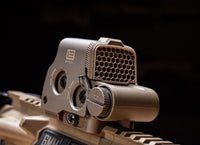
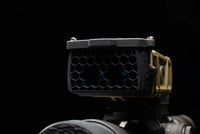
Many of these devices use a honeycomb-style design placed over the front of the optic. Instead of blocking vision, the honeycomb structure helps diffuse reflected light before it leaves the lens. This reduces the chance of a bright forward reflection while still allowing the shooter to maintain visibility through the optic.
Like most gear choices, there are tradeoffs. Some anti-reflective devices can slightly reduce brightness or clarity in certain lighting conditions. Others may add a small amount of bulk to the optic setup. For many shooters, though, the reduction in reflected light is worth the tradeoff.
Scope Caps

Scope caps also help manage visual signature, especially during movement or transport.
An exposed lens can catch light unexpectedly while moving through open terrain, shifting positions, or scanning from cover. Keeping the lens covered until the optic is needed helps reduce accidental reflection during those moments.
There’s also the protection side of it. Dust, moisture, mud, and scratches can all affect optic performance over time. Scope caps help protect the glass while still allowing quick access when needed.
Positioning and Light Discipline
Gear helps, but positioning still matters.
- Direct sunlight hitting the optic from the front creates the highest chance of visible reflection. Small adjustments to body position or shooting angle can often reduce that risk.
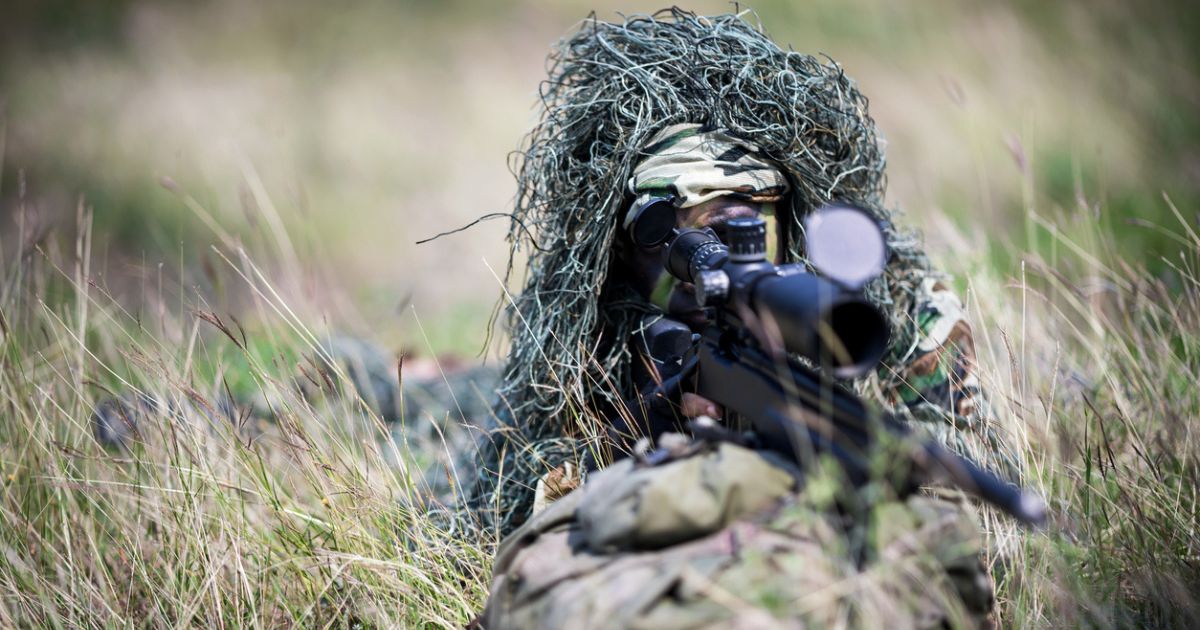
- Terrain also plays a major role. Shadows, vegetation, uneven ground, and natural cover all help reduce visibility. Even partial concealment can help break up reflections and make optics harder to detect at a distance.
- Light discipline matters beyond the optic itself, too. Reflective equipment, exposed metal, screens, and unnecessary light sources can all attract attention faster than the optic lens alone.
Camouflage and Environmental Integration
Optics become easier to spot when they stand out against the environment.
- Hard outlines, dark circular lenses, and exposed shapes naturally draw the eye. This is especially true in terrain with consistent color or texture.
- Camouflage helps reduce that contrast. Vegetation, wraps, natural terrain, and equipment color all help break up recognizable shapes and reduce visual separation from the environment.
That’s why scope glint reduction usually works best as part of a larger concealment approach. Read The 7 S’s of Camouflage: A Guide to Signature Reduction to learn more about how to manage different parts of detection.
Scope Glint Is Only One Part of Staying Concealed
Scope glint is real, but most visible reflections only happen under specific lighting conditions, viewing angles, and environmental setups.
That’s why experienced shooters think beyond the optic itself. Reflection management works best when combined with good concealment, disciplined movement, smart terrain use, and streamlined gear placement.
Explore the caps and anti-reflective devices from One Hundred Concepts to help manage optic exposure while protecting your setup in the field.


Leave a comment
This site is protected by hCaptcha and the hCaptcha Privacy Policy and Terms of Service apply.