
 All Caps
 ScopeCaps
 LightCaps
 Red Dot Caps
 Night Vision Caps
 Thermal Caps
 Specialty Caps
 Lights
 Red Dots/HWS
 Magnified Optics
 Lasers
 Slings
 Night Vision Devices
 Thermal
 Helmets
 Accessories
 Camouflage
 Water
Water
 Faraday
 EDC
EDC
 Apparel
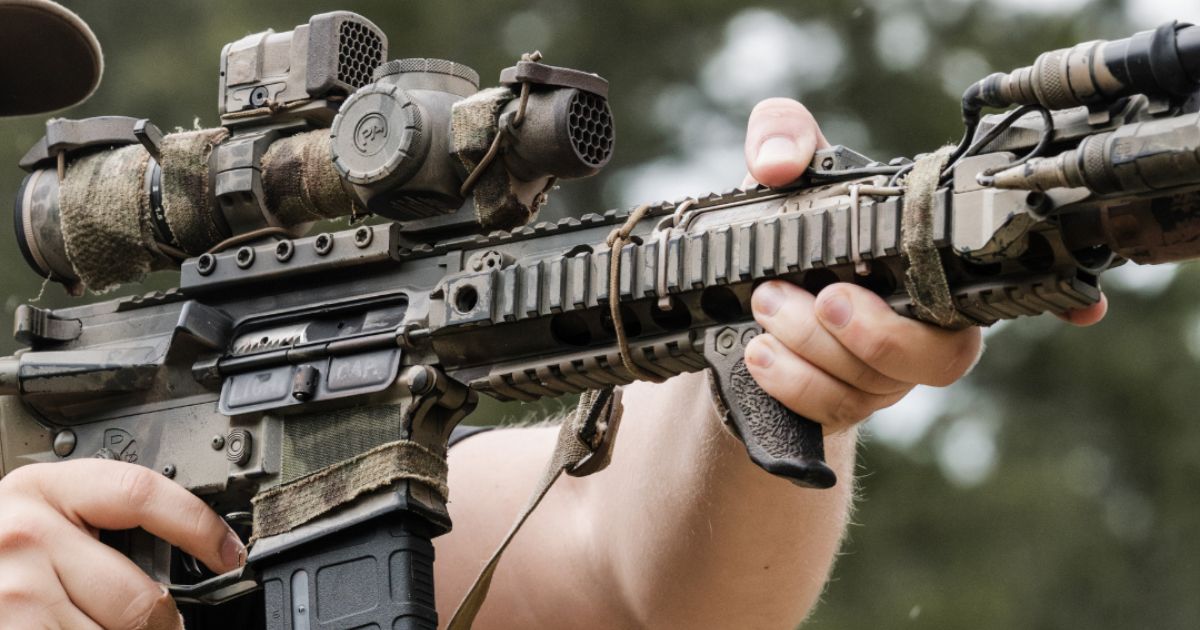
Camouflage Cannot Fix a Poor Rifle Setup
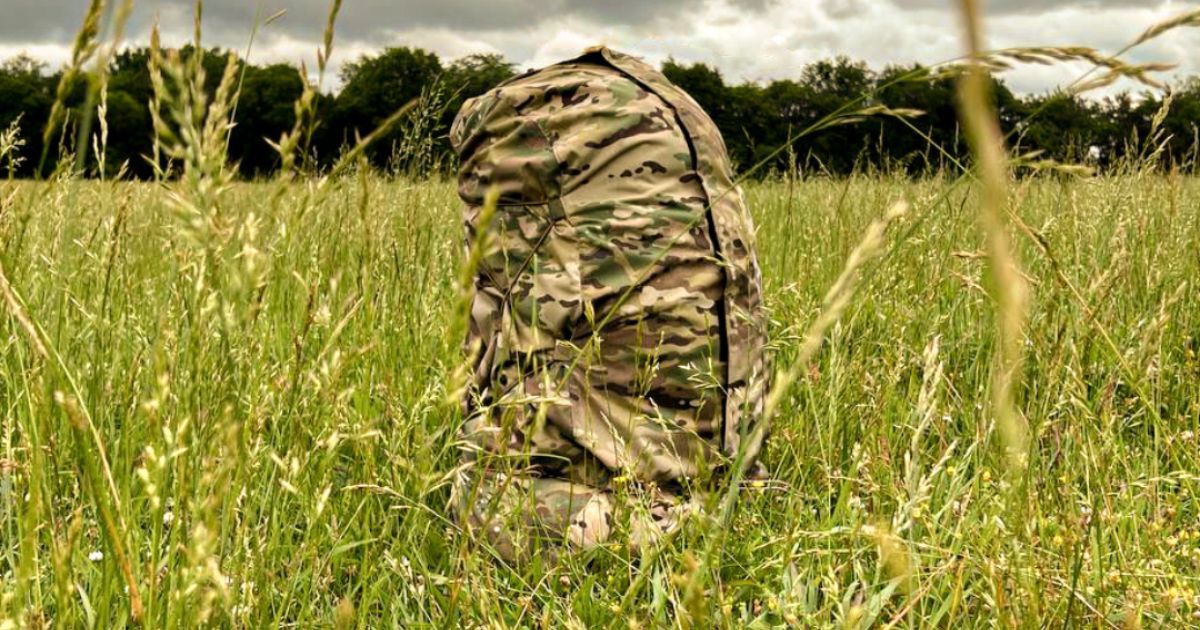
Camouflage can reduce visual contrast, but it cannot fully hide exposed optics, hard edges, reflection, or oversized rifle setups. In many situations, detection happens because the rifle setup itself creates a recognizable visual signature.
Camouflage Does Not Automatically Conceal a Rifle Setup
Most people do not identify camouflage patterns first. They notice movement, shape, contrast, or reflection before they ever process the actual pattern. So a rifle wrapped in camouflage can still stand out if the optic catches light, the silhouette breaks the horizon, or movement draws attention.
Good signature reduction is about delaying recognition long enough to maintain a tactical advantage. That delay might only last a few seconds. But in some situations, that is enough to reposition, observe, communicate, or avoid drawing additional attention.
That is why effective signature management focuses on the entire system rather than just the pattern applied to it. And one way to do that is with a rifle setup that breaks up recognition instead of creating new signatures that cancel camouflage out.
Exposed Optics and Reflective Surfaces Draw Attention
Even well-camouflaged equipment can become highly visible when light catches exposed glass or reflective surfaces. That is why signature reduction often focuses heavily on controlling shine across your entire rifle setup.
Lens Reflection Creates Long-Range Visibility
Exposed optic glass can catch sunlight from surprising distances, especially as observation angles and lighting conditions change throughout the day. Larger optic profiles, offset optics, thermal devices, and mounted accessories can all introduce additional reflective surfaces.
Managing exposed glass is often less about hiding equipment completely and more about reducing unnecessary visual cues that reveal position. Even small glare reductions can make the rifle less visually disruptive across changing light conditions.
Metallic and Wet Surfaces Increase Reflection
Reflection problems are not limited to optics. Suppressors, sling hardware, rails, mounting systems, adjustment knobs, and exposed fasteners can all reflect light differently depending on angle, finish wear, and environmental conditions.
Wet conditions often make the problem worse. Rain, sweat, condensation, mud, or humidity can add shine to surfaces that normally appear matte, increasing visibility even when camouflage patterns remain effective.
This is why many field setups prioritize controlling reflective surfaces instead of relying entirely on camouflage patterns or color matching.
Rifle Bulk Creates More Detectable Shapes
A camouflage pattern can only do so much if the rifle itself creates a large, recognizable outline. Excessive bulk introduces more straight lines, harder edges, and visual clutter that separates the setup from the surrounding terrain.
A larger setup is not automatically wrong. Some equipment is necessary for the mission, environment, or shooting role. The problem starts when accessories are added without considering their impact on concealment, movement, and the overall profile.
Long Continuous Lines Stand Out in Natural Terrain
Natural environments rarely contain long, perfectly straight lines. Terrain, vegetation, and shadows tend to appear uneven and irregular.
The eye naturally notices order and structure. Straight lines and repeated geometry attract attention because they appear different from the terrain around them.
Rails, barrels, suppressors, and mounted accessories can create long horizontal lines that immediately separate the rifle from its surroundings. Even when camouflage colors match well, recognizable geometry can still stand out.
Oversized Setups Create Recognizable Geometry
Stacked accessories, optic combinations, mounting systems, and unnecessary external attachments can expand the rifle profile far beyond its core shape. The result is often more rigid geometry and a more recognizable silhouette.
Wider setups may expose more equipment around barricades, vegetation, windows, or terrain edges. Large external attachments can also create unusual shadows or visible gaps that separate the rifle from the background.
Large setups also tend to shift more during movement, which creates additional visibility problems beyond silhouette alone. A setup can be fully functional yet still create unnecessary visibility problems if every available space is occupied by external equipment.
This is why experienced shooters focus on intentional setup choices since cleaner rifle profiles are easier to stabilize, move with, and conceal across changing terrain and lighting conditions.
Poor Gear Management Increases Movement and Noise

Detection issues also come from equipment shifting, swinging, snagging, or requiring constant adjustment during movement. Even small corrections can attract attention when everything else in the environment remains still.
Loose Gear Creates Unnecessary Motion
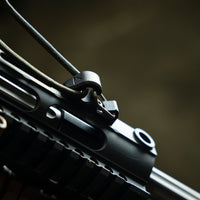
Slings that swing freely, unsecured cables, dangling accessories, partially retained equipment, and shifting mounted items can all create unnecessary movement during positional changes or movement through terrain.
These problems become more noticeable while walking through vegetation, climbing obstacles, changing shooting positions, or moving around cover. Equipment that moves independently from the rifle often catches the eye because the motion appears irregular and uncontrolled.
Loose gear can also create avoidable sound signatures. Sling hardware tapping against rails, accessories contacting barricades, or unsecured equipment brushing vegetation may reveal movement even when visual concealment remains good.
Constant Adjustments Increase Detection
Unstable setups usually require constant correction, and every unnecessary adjustment introduces additional movement that breaks visual consistency.
A poorly balanced rifle may shift awkwardly during transitions. Loose accessories can rotate or snag while walking. Unstable slings may pull the rifle out of position and force repeated handling corrections. Even subtle hand movements become easier to notice when the surrounding environment remains calm or stationary.
A setup that stays in place usually requires less visual movement and less mental attention during use. Predictable equipment is easier to manage quietly and consistently under stress.
Practical Ways to Reduce Rifle Visual Signature
Most signature reduction improvements come from small setup decisions that work together over time.
Break Up Recognizable Shapes
Rifles naturally create straight lines and recognizable geometry that stand out in most environments. Breaking up those shapes helps reduce visual recognition.
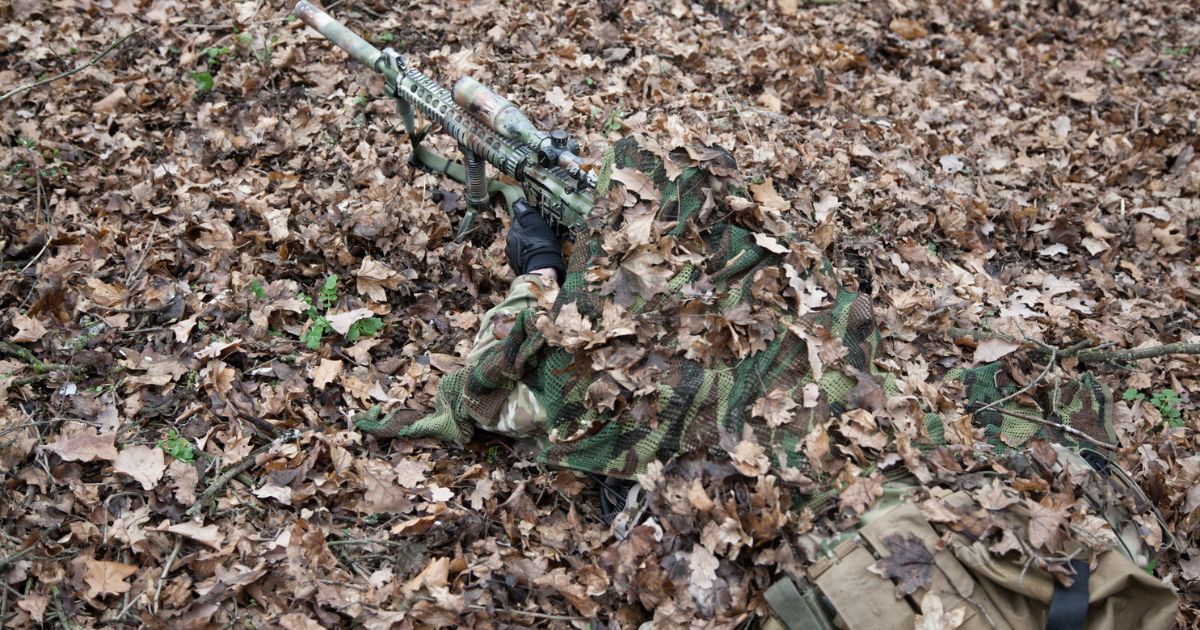
- Use scrim, wraps, and textured materials to soften hard edges and disrupt long continuous lines across rails, optics, and suppressors. Even small outline changes can reduce how quickly the rifle separates from the surrounding terrain.
- Also use vegetation, shadows, uneven ground, and natural textures to help break up the rifle outline. In many environments, terrain integration works better than relying solely on camouflage patterns.
Reduce Reflection and Glare
Exposed optics, uncovered lenses, metallic hardware, and smooth surfaces can all create glare under changing light conditions. Optic management reduces those visual triggers.
- Use lens covers, anti-reflection devices, controlled optic exposure, and low-reflection hardware to help minimize glare across changing observation angles.
- Also check the rifle under different lighting conditions instead of only indoors or under shade. Surfaces that appear matte in one environment may reflect differently in direct sunlight, wet conditions, or low-angle light.
Stabilize Equipment and Eliminate Excess Movement
Stable equipment usually creates less visual disruption and reduces snag points or handling corrections while moving through terrain or around obstacles.
- Secure attachment points, add control cables, tighten sling management, and keep accessories positioned close to the rifle to help minimize unnecessary movement during use.
Remove Equipment That Does Not Improve Performance
Extra equipment often adds bulk, edges, reflections, and movement without providing meaningful performance advantages.
- Evaluate whether each piece of equipment actively improves the rifle’s intended role or simply adds unnecessary complexity.
Signature Reduction Starts With Smarter Setup Decisions
Streamlined rifle setups create fewer detection problems because they are easier to stabilize, maneuver with, and manage under stress.
Explore wraps, scrim, optic covers, and rifle accessories from One Hundred Concepts designed to reduce unnecessary visual signatures without adding excess bulk to your setup.

Leave a comment
This site is protected by hCaptcha and the hCaptcha Privacy Policy and Terms of Service apply.