 All Caps
 ScopeCaps
 LightCaps
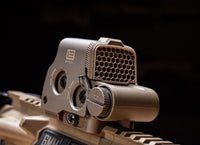 Red Dot Caps
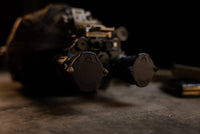 Night Vision Caps
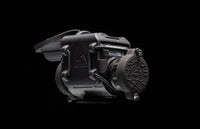 Thermal Caps
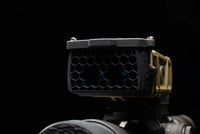 Specialty Caps
 Lights
 Red Dots/HWS
 Magnified Optics
 Lasers
 Slings
 Night Vision Devices
 Thermal
 Helmets
 Accessories
 Camouflage
 Water
Water
 Faraday
 EDC
EDC
 Apparel
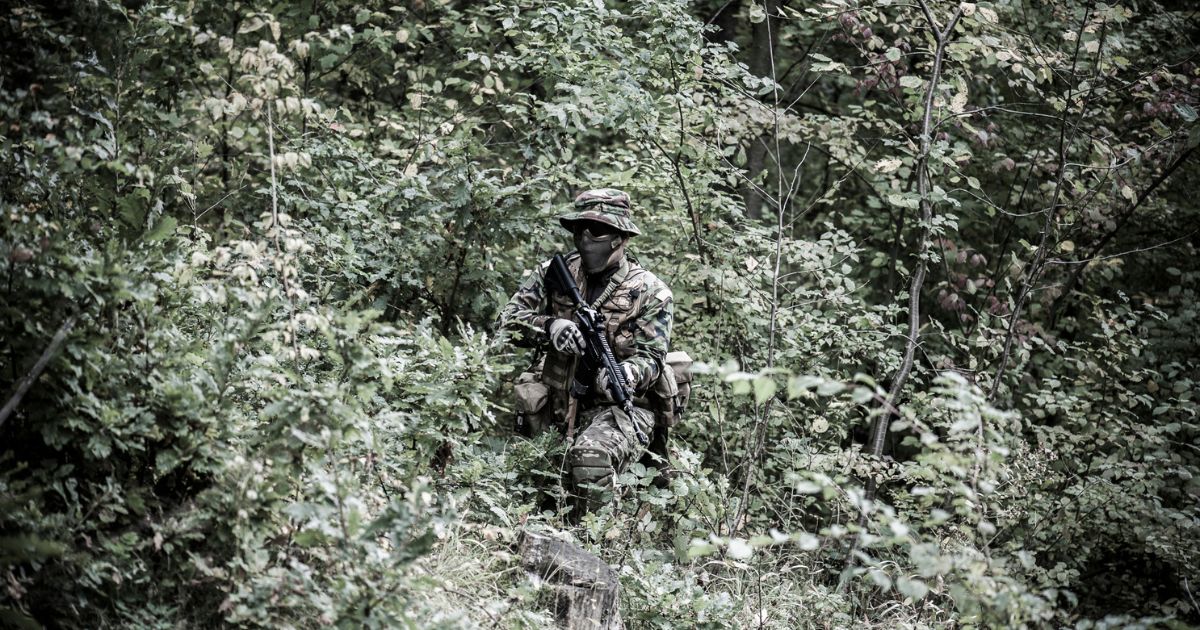
Why Shape Can Matter More Than Camo Pattern at Distance
A camouflage pattern can match the environment well and still leave an obvious shape at a distance. As finer detail becomes harder to see, detection shapes and patterns start working at different scales. So the overall outline of your body and gear can become more important than the small details covering them.
That doesn’t mean pattern stops mattering. It means concealment works best when you account for what an observer can actually see at different distances. Start with the larger form, then refine the details as they become relevant.
What Does the Eye Notice First: Shape or Pattern?
At a distance, shapes and patterns work at different visual scales. The overall shape of a person or piece of equipment will be noticeable before an observer makes out the finer details of its pattern. As the distance closes, color, texture, and smaller pattern elements become easier to see.
You have probably experienced this without thinking about it. You notice something in the distance and know that something is there before you can tell exactly what you are looking at.
The observer does not need a clear view of your clothing or gear for your overall form to attract attention. A head-and-shoulder profile, rounded helmet, long rifle, or bulky pack can provide enough visual information to stand out.
This creates two scales to think about when evaluating concealment:
- Macro concealment: What does your overall form look like from farther away?
- Micro concealment: What does the surface look like once an observer sees more detail?
So the question is not whether shape matters more than pattern, but what visual information remains available to an observer at a given distance.
Distance Changes What the Observer Can See
As viewing distance increases, the amount of visual detail an observer can make out decreases. That is why camouflage looks different from 10 feet away than it does from much farther out. Up close, you may see every color transition and small pattern element. At a distance, those details begin to blend together.
Camouflage patterns often address this by operating across multiple visual scales. Larger elements help disrupt broader areas, while smaller elements add variation as more detail becomes visible.
Macro Concealment Works on the Overall Form
Instead of focusing on individual pieces of camouflage, look at the combined outline created by your:
- Head and shoulders
- Helmet
- Rifle
- Pack
- Body and attached equipment
At this scale, large areas of contrast and recognizable geometry matter more than surface details. If those larger forms remain easy to read, fine camouflage elements won’t do enough to disguise what the observer is seeing.
Micro Concealment Works on Surface Detail
As the distance closes, smaller visual differences become easier to see. Color variation, texture, pattern elements, exposed materials, and individual pieces of equipment begin to add more to the overall picture. Micro concealment addresses this by keeping visible surfaces from appearing too uniform or out of place in the surrounding environment.
Pattern and Shape Should Work Together
Good concealment does not require choosing between pattern and shape. Each address visual information that the other cannot fully control.
Camouflage patterns break up continuity across a surface. Physical shape disruption goes a step further by changing the actual edges and profile that an observer sees. Used together, these methods make it harder for both the overall form and its smaller details to remain visually consistent as viewing distance changes.
Why Recognizable Shapes Attract Attention

You do not need a clear view of an object to start recognizing what it might be. Familiar shapes provide useful visual clues even when distance makes smaller details difficult to see.
This matters in environments filled with irregular shapes. Natural backgrounds rarely consist of clean circles, rectangles, or long straight lines. A familiar piece of geometry can look out of place before an observer identifies the details that created it.
For concealment, that means the overall profile matters. If enough familiar shapes remain visible, an observer may begin to recognize a person or equipment without clearly seeing its camouflage pattern.
Gear Can Make the Overall Shape Easier to Read
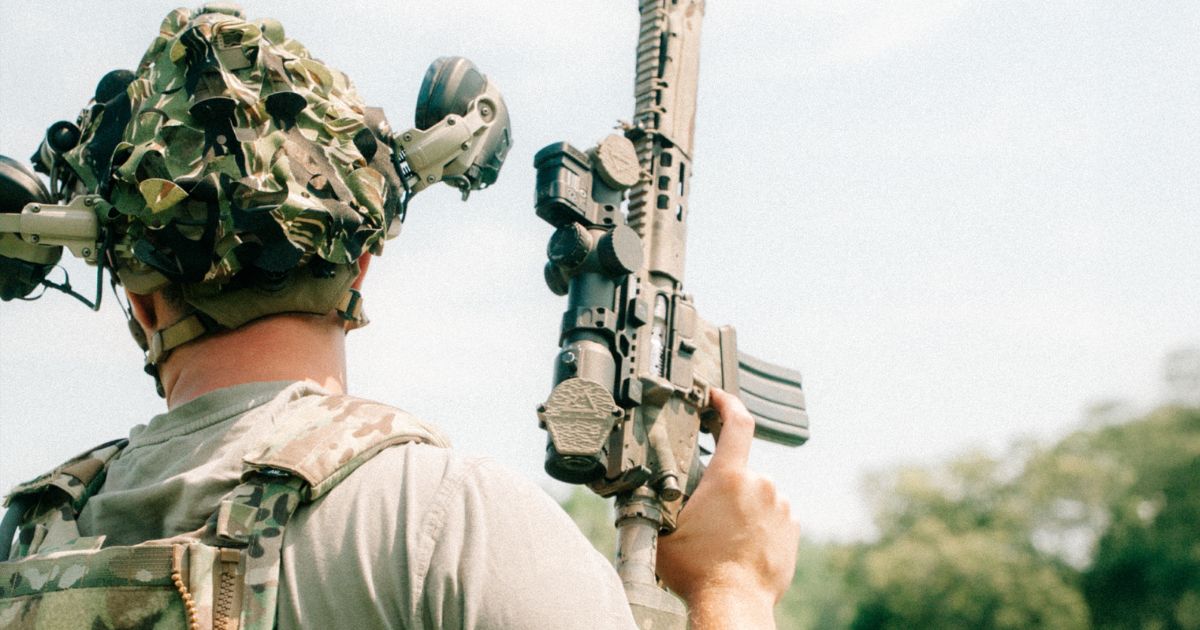
Your equipment becomes part of the outline that an observer sees. A pack can add a large rectangular profile behind your body. A helmet creates a rounded shape above your shoulders, while a rifle adds long, straight lines.
Where you mount equipment can change that profile further. Accessories that sit high, extend outward, or project away from your body create additional shapes that are easier to pick out.
This also explains why a setup looks well camouflaged on close inspection but remains recognizable from farther away. The surface may match the environment, while the larger profile still reads as familiar equipment.
Where Scrim and Gear Wrap Fit Into Shape and Pattern Disruption
Once you know whether the problem is the overall profile or the surface of your gear, you can choose a concealment method that addresses it. Scrim and gear wrap both help break up visual consistency, but they work in different ways.
Scrim Can Change the Edge, Not Just the Color
Scrim physically changes the outline of equipment by adding irregular edges to otherwise familiar shapes.
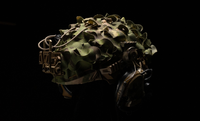
For example, scrim added to your helmet helps interrupt the smooth, rounded profile of a helmet. Scrim attached to your pack uses the same idea, where broad panels and regular edges can create an obvious shape.
Scrim changes how cleanly an observer can see equipment edges and form, making it useful for macro-level shape disruption.
Wrap Helps Break Up Smaller Equipment Surfaces
Camo wrap addresses more of the surface-level problem. Applying wrap to exposed gear adds color and visual variation to areas that would otherwise appear uniform.
This helps break up consistent sections of equipment as more detail becomes visible. Rather than changing the physical profile, the wrap changes how the surface looks against its surroundings.
The difference is useful when choosing where to focus your effort. Scrim helps with macro concealment, while gear wrap primarily helps on the micro level.
Test Your Concealment at Different Distances
Don’t judge your concealment only by looking down at your gear or inspecting it from a few feet away. Test the complete setup against the background type you expect to use it in at various distances.
Photos can also help. Place the gear or have someone wear the setup, then take photos from progressively farther away. This gives you a more useful view of what remains noticeable as smaller details disappear.
Start With the Big Shapes
Begin at a distance where you see the setup as a whole rather than individual pieces of gear.
Look for:
- Head-and-shoulder outline
- Helmet profile
- Pack profile
- Rifle geometry
- Large areas of contrast
- Equipment projecting away from the body
What catches your eye first? Can you recognize the helmet, pack, rifle, or human outline before you make out the surface details? If so, start with those larger shapes before worrying about smaller camouflage details.
Then Move Closer and Look at the Details
Once the larger profile is reasonably disrupted, move closer and evaluate:
- Pattern and color
- Smaller areas of contrast
- Uniform gear surfaces
- Exposed equipment
- Texture
- Transitions between camouflaged and uncovered gear
Pay attention to which details become noticeable as you close the distance. This helps you identify where surface-level changes could improve the setup instead of adding camouflage without a clear reason.
The order matters. Perfecting small details has limited value if the complete profile remains easy to recognize from the distances where those details can’t yet be seen.
Think Big Before You Think Small

You do not have to choose between shape disruption and a camouflage pattern. They solve different parts of the same visual problem.
Keep unnecessary bulk and projections under control, use scrim where the profile needs disruption, and use wrap or camouflage where the surface needs more variation. Then test the complete setup from a distance.
If your setup needs better shape or surface disruption, explore One Hundred Concepts’ concealment gear to find practical ways to break up your helmet, pack, and equipment.

Leave a comment
This site is protected by hCaptcha and the hCaptcha Privacy Policy and Terms of Service apply.