 All Caps
 ScopeCaps
 LightCaps
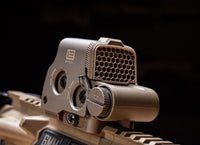 Red Dot Caps
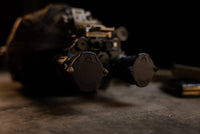 Night Vision Caps
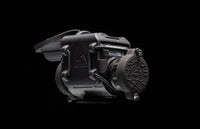 Thermal Caps
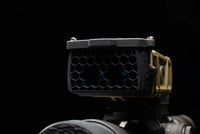 Specialty Caps
 Lights
 Red Dots/HWS
 Magnified Optics
 Lasers
 Slings
 Night Vision Devices
 Thermal
 Helmets
 Accessories
 Camouflage
 Water
Water
 Faraday
 EDC
EDC
 Apparel
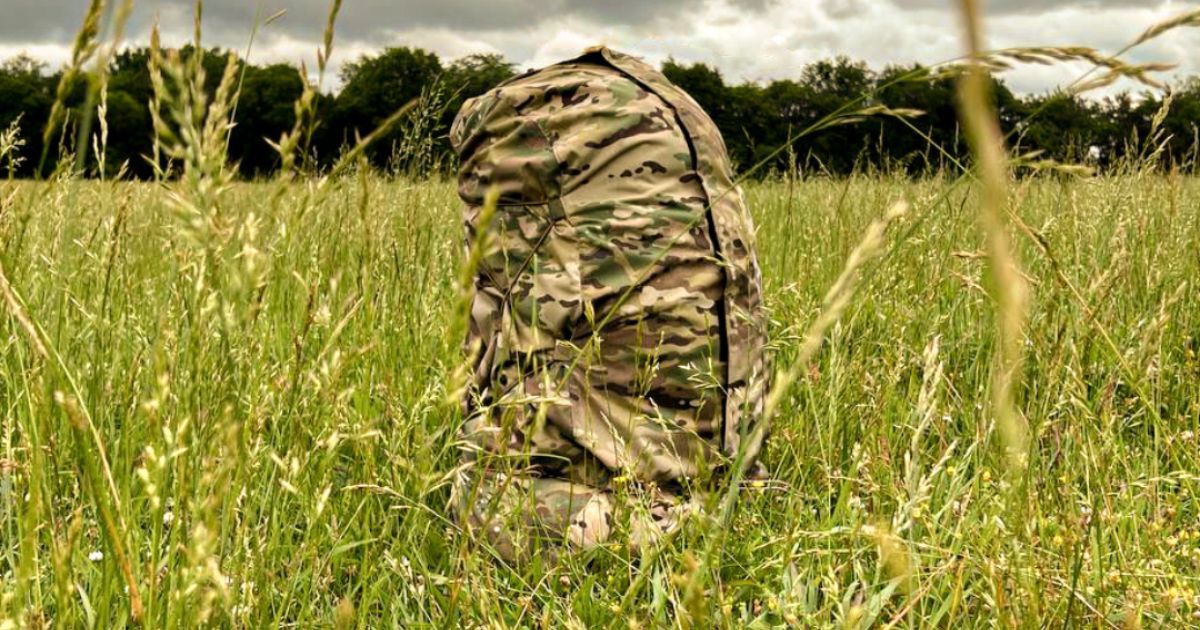
Why Perfect Camouflage Patterns Still Fail in the Field
Camouflage patterns matter, but they are only one part of concealment. Understanding how visual detection works will help you make better decisions to reduce your visual signature.
What Camouflage Patterns Can and Cannot Do
Camouflage patterns are important for signature reduction, but even effective camouflage can fail when the human eye picks up a familiar silhouette, a straight line, or sudden motion.
Patterns Help Disrupt Color and Contrast
Camouflage patterns help break up color contrast and reduce how much a person or piece of equipment stands out against the surrounding environment.
Different camouflage patterns do this in different ways. Some rely on larger macro shapes that stay effective at longer distances. Others use smaller micro details designed to blend texture and surface variation up close.
This environmental blending matters because the human eye naturally notices contrast first. A solid dark shape against lighter terrain usually stands out faster than a broken, irregular surface.
But camouflage patterns only address part of the problem. They help reduce visual separation from the environment, but recognizable shapes can still stand out.
Concealment Depends on More Than Camouflage Patterns
In most environments, the real goal is to reduce the visual signatures that attract attention in the first place. Camouflage patterns help with part of that process, but concealment works best when you think beyond fabric.
1. Contrast
Contrast is not just color difference. It includes light separation, shadow definition, glare, reflective surfaces, and anything that visually separates equipment or movement from the surrounding environment. Reducing contrast may involve controlling reflection, softening edges, disrupting shadow lines, or using textured materials.
2. Shape
The brain naturally looks for recognizable outlines and geometry. Reducing shape signature means disrupting clean geometry rather than trying to hide every surface completely.
3. Movement
Even effective camouflage patterns and reduced contrast fail once recognizable motion enters the environment. It also amplifies other visual signatures, such as swinging gear or optics catching light during movement.
Camouflage remains important. But effective signature reduction usually comes from how patterns, equipment, terrain, and movement all work together as a system.
Humans Detect Outline Before Pattern
Most camouflage patterns are designed to reduce contrast and help surfaces blend into the environment. But in real-world conditions, the human brain usually notices shape before it notices pattern detail.
That is one reason why otherwise effective camouflage patterns still fail in the field.
The Human Brain Recognizes Familiar Shapes Quickly
Human vision relies heavily on pattern recognition. The brain constantly searches for familiar forms, especially shapes connected to people, movement, or potential threats.
You do not always need to fully identify a person or piece of equipment to notice that something looks out of place. Often, the brain only needs a partial silhouette, a straight line, or a recognizable profile to trigger attention.
Symmetry also draws attention. Natural terrain rarely forms clean, mirrored shapes, but human equipment often does. Packs, shoulder placement, chest rigs, and gear mounted evenly across the body can create a recognizable structure even when camouflage patterns match the environment well.
At longer distances, smaller camouflage details begin to blend together, making the overall outline and movement easier to recognize than the pattern itself. As visual detail fades, the brain relies more on outline recognition than on texture or color separation.

Straight Lines Rarely Exist Naturally
Natural terrain is irregular. Trees, rocks, grass, shadows, and brush all create uneven edges, broken textures, and inconsistent shapes. Human equipment usually does the opposite.
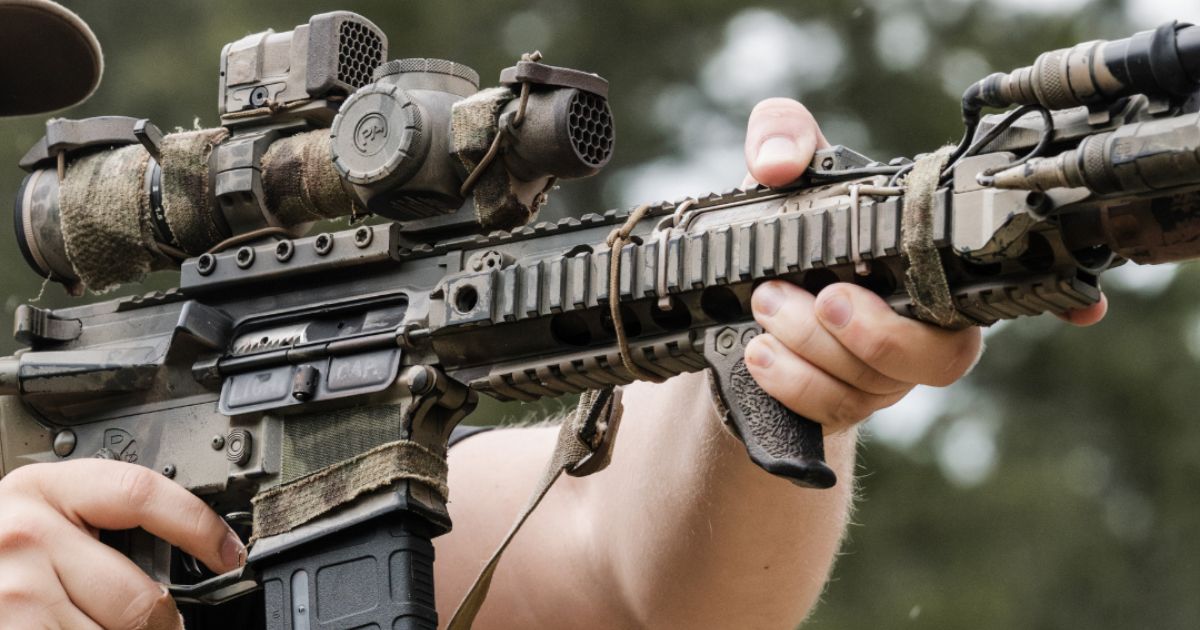
Barrels, rails, slings, antennas, tripod legs, and pack frames often create rigid geometry that contrasts sharply against the environment. Even high-quality military camouflage patterns can struggle when those hard lines remain exposed.
This becomes especially obvious near skylines or sparse cover.
A straight rifle barrel crossing a ridgeline may stand out immediately because the eye catches the clean line against the background. The same thing happens when equipment edges separate clearly from surrounding vegetation.
Hard geometry also reacts differently to light. Flat surfaces and defined edges tend to create stronger highlights and shadows than natural terrain, making them easier to detect during movement or changing light conditions. This creates additional contrast against the surrounding environment. Even when camouflage patterns match the terrain reasonably well, clean edge definition and unnatural light separation can still draw attention.
That is why concealment systems often focus on shape breakup, in addition to camouflage patterns, to interrupt clean outlines and reduce the recognizable geometry that human vision notices first.
Why Movement Defeats Even Good Camouflage Patterns
A camouflage pattern may reduce contrast while you remain still, but movement changes how the eye processes what it sees. Instead of studying details, the brain shifts toward tracking motion, outline, and direction.
Movement Draws Attention Faster Than Color
Human vision is highly sensitive to motion, especially in peripheral vision. You might miss a stationary shape hidden in brush, but even a small movement can immediately pull attention toward it. A slight shoulder shift, adjusting equipment, or repositioning a rifle may be enough to expose your location.
Sudden directional changes stand out even more. Fast or unnatural movement tends to stand out visually from the slower, irregular motion found in natural terrain.
Movement also creates shifting contrast. As equipment, shadows, or reflective surfaces move, they continuously change how light separates them from the background, making visual detection easier.
This is one reason camouflage patterns alone cannot fully solve visibility problems. A strong camouflage pattern may help reduce color contrast, but motion still creates visual separation from the environment.
Camouflage Works Best When Movement Is Controlled
Good concealment usually depends as much on movement discipline as camouflage pattern selection.
Slower movement generally creates less visual disruption than fast movement. Using terrain also helps reduce exposure by keeping outlines broken behind vegetation, shadows, terrain folds, or irregular surfaces.
Position selection matters too. A strong camouflage pattern will still struggle if someone moves across open ground, silhouettes themselves against a ridgeline, or exposes rigid equipment shapes above cover. Sometimes the best concealment choice is simply avoiding unnecessary movement altogether.
That does not mean remaining perfectly still at all times. It means understanding that camouflage patterns work best when combined with controlled movement, positioning, and equipment setup that reduce obvious visual signatures, instead of relying on the pattern alone.
The Best Concealment Reduces Recognition, Not Just Color
Modern concealment works best as a layered system. Camouflage patterns help reduce contrast, while wraps, scrim, covers, and thoughtful positioning help disrupt the recognizable geometry and movement the human eye notices first.
Explore One Hundred Concepts camouflage and concealment accessories designed to reduce visual signatures and support more adaptable field setups.

Leave a comment
This site is protected by hCaptcha and the hCaptcha Privacy Policy and Terms of Service apply.