
 All Caps
 ScopeCaps
 LightCaps
 Red Dot Caps
 Night Vision Caps
 Thermal Caps
 Specialty Caps
 Lights
 Red Dots/HWS
 Magnified Optics
 Lasers
 Slings
 Night Vision Devices
 Thermal
 Helmets
 Accessories
 Camouflage
 Water
Water
 Faraday
 EDC
EDC
 Apparel
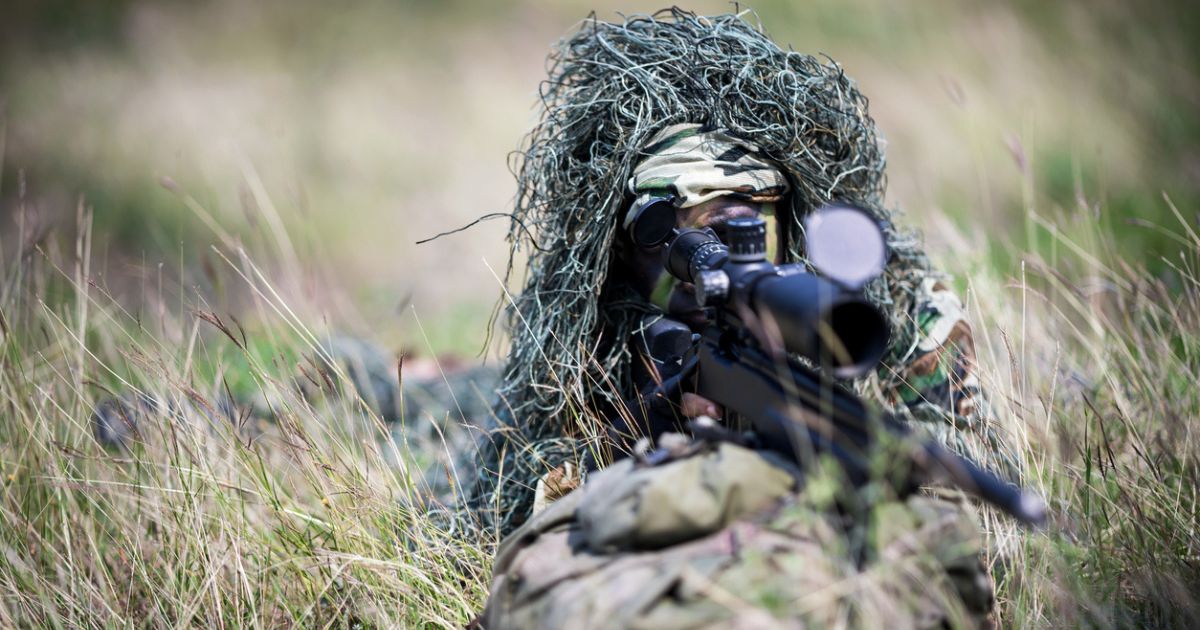
The 7 S’s of Camouflage: A Guide to Signature Reduction
The 7 S's of camouflage isn't about camouflage patterns, but about recognition. Most people do not get detected because someone studies their camo pattern closely. They get detected because something else stands out first: a flash of reflected light, sudden movement, or a rifle outline that does not match the surrounding terrain.
That is what signature reduction is really about. The goal is not to become "invisible," but to reduce the things that naturally attract attention.
What Are the 7 S's of Camouflage?
The 7 S's of camouflage are seven common ways people get detected:
- Shape
- Shine
- Shadow
- Silhouette
- Spacing
- Sudden movement
- Sound
Together, they create a framework for signature reduction and tactical camouflage. The 7 S's help you identify the things that naturally draw focus so you can reduce them before they become a problem.
Shape: Breaking Up Recognizable Forms
The human brain is very good at identifying familiar shapes. That ability helps people recognize threats, movement, and objects long before they see small details. So even if colors blend well, recognizable outlines still stand out against natural terrain.
Why Humans Quickly Recognize Familiar Shapes
Most natural environments are irregular. Trees, rocks, brush, and terrain rarely form perfect lines or balanced shapes. But human equipment usually does.
Rifles, helmets, shoulders, and head profiles all create recognizable outlines that the brain can identifythrough pattern recognition. Straight edges, long horizontal lines, and symmetry tend to attract attention because they contrast with the uneven shapes found in nature.
You can see this effect even at a distance. A person may not immediately identify details, but they often recognize that "something looks wrong" before they know exactly what they are seeing.
Common Shape Problems in Rifle Setups
Modern rifle setups can accidentally create obvious visual signatures.
- Exposed optics often make large circular shapes that stand out against the environment.
- Flat rails and long handguards can form clean horizontal lines that catch the eye.
- Mounted accessories can also create hard geometric profiles that do not match the surrounding terrain.
Uniform gear layouts can cause similar problems. Repeated pouch spacing, symmetrical setups, and oversized external attachments look organized, but they also become easier to recognize visually.
You might also notice this issue when equipment starts growing outward instead of staying streamlined. Extra bulk changes the rifle's overall profile and often increases visibility during movement or observation.
How to Reduce Shape Signatures
-
Use terrain, vegetation, and uneven surfaces to break up your outline against the surrounding environment.
Instead of sitting directly against a clean background, position yourself so parts of the rifle or body blend into shadows, brush, rocks, or irregular terrain features. Even small position changes can make outlines much harder to recognize.
-
Avoid creating long straight lines in open terrain.
Rifle barrels, rails, and exposed optics tend to stand out when they create clean horizontal shapes against the environment. Adjust positioning so those lines overlap with natural terrain whenever possible.
-
Reduce unnecessary external bulk on the rifle.
Large attachments and oversized setups produce more visual clutter and more recognizable shapes. Cleaner setups usually blend into the environment more naturally because there are fewer hard edges to notice.
-
Accessories that cover exposed optics or reduce the rifle's visual profile can also help limit shape recognition.
In many cases, managing outline and profile matters more than adding extra camouflage material. The goal is not to make the equipment disappear but to make the shape harder to recognize.
Shine: Controlling Reflections and Light Signature

Shine is one of the fastest ways to draw attention in the field. A brief flash of reflected light can stand out long before someone recognizes what they are looking at. This becomes even more important in open terrain, low-angle sunlight, or observation-heavy environments where small visual cues travel long distances.
Why Reflection Draws Attention
Human eyes naturally notice contrast and movement, but they are also highly sensitive to unnatural reflection.
Most natural surfaces scatter light unevenly. Glass, polished metal, wet materials, and smooth coatings reflect light differently. That reflection creates a sharp visual contrast that is quickly noticeable.
You do not need full identification for this to happen. Someone may not recognize a rifle or optic at first, but a quick flash from exposed glass still reveals that something is there.
Common Sources of Shine
Reflective materials can catch sunlight from surprising angles, especially during movement or observation.
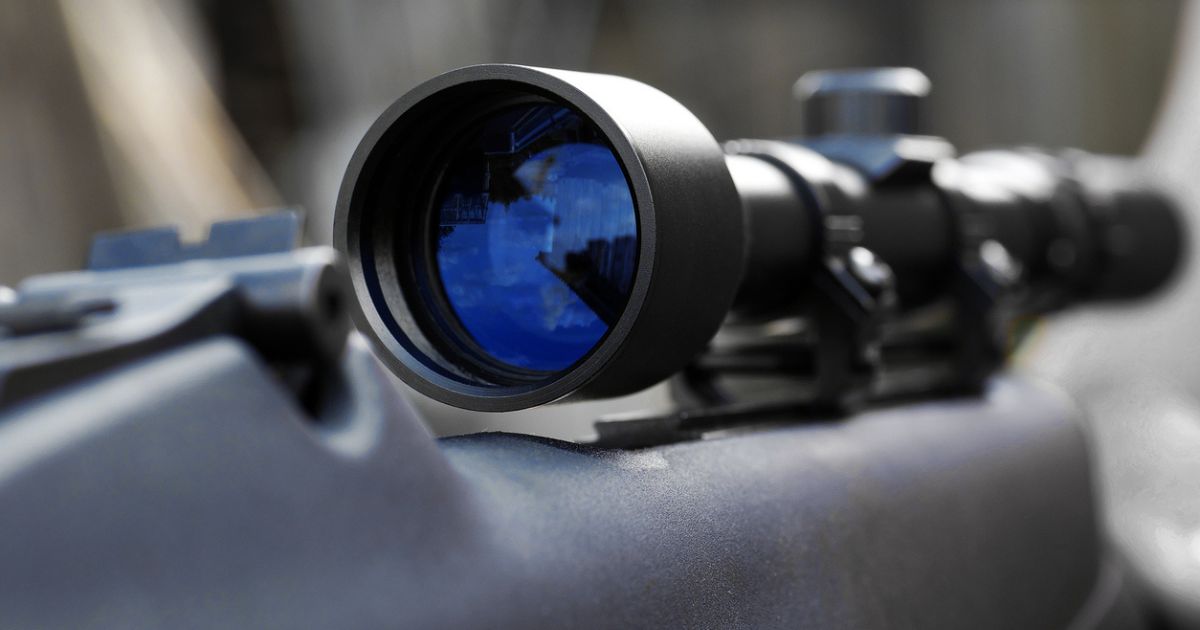
- Optics are one of the most common reflection sources in modern rifle setups.
- Weapon lights, watches, metal hardware, and phone screens create similar problems.
- Wet surfacesalso become more reflective than many people expect. Rain, sweat, or condensation change how equipment interacts with light.
- Night vision lenses, illuminators, and reflective surfaces may become visible under certain lighting conditions if they are not managed carefully.
Sometimes the problem is not a single bright reflection. Multiple small reflective points across your gear will gradually build a larger visual signature.
How to Reduce Shine in the Field
-
Start by identifying the surfaces most likely to reflect light.
Optics, weapon lights, watches, and phone screens are usually the biggest problems.
-
Manage exposed glass first.
Anti-reflective devices and optic caps help reduce direct lens reflection while still allowing fast access. This becomes especially useful during observation or movement through changing light conditions.
-
Next, look for smaller reflective points across your setup.
Metal sling hardware, wet materials, and exposed accessories can all catch sunlight unexpectedly. Cover, reposition, or secure reflective items where possible to reduce sharp flashes and contrast.
-
Check how sunlight interacts with your setup from different angles.
A setup that looks concealed from one direction may produce a visible reflection when the lighting changes. Check equipment from different positions, especially during early morning or late afternoon when the sunlight sits lower on the horizon.
-
Control unnecessary light sources to reduce visible light signatures.
Limit unnecessary screen use, avoid excessive illumination, and control white light in low-light environments. Even brief light exposure can create a strong visual signature.
-
Keep your setup streamlined.
More external accessories often create more reflective surfaces, more exposed edges, and more opportunities for shine.
Shadow: The Signature Most People Forget

Shadows can reveal position even when camouflage and concealment look solid at first glance. You might blend visually into the environment, but a poorly placed shadow will still draw attention. This happens because shadows create contrast, depth, and recognizable shapes that stand out against the surrounding terrain.
Why Shadows Reveal Position
The human eye naturally notices changes in depth and contrast. Strong shadow lines often create both.
Natural shadows usually blend gradually into the environment. Artificial-looking shadows tend to appear sharper, darker, or more isolated.That difference makes it easier to detect equipment, body position, or movement.
This becomes more noticeable when sunlight is low or directional. Long shadows can stretch far beyond the actual position and reveal movement or outline from a distance. Even small details matter here. A rifle barrel extending into direct light or a hard-edged shadow under gear attracts attention faster than people expect.
Common Shadow Mistakes
Most shadow problems happen because people focus on hiding themselves while ignoring how lighting changes the environment around them.
- Skyline positioning is one of the most common shadow problems. Standing or moving along ridgelines often creates a strong contrast between your body and the sky, especially during sunrise or sunset.
- Standing too close to cover can also create unnatural shadow shapes. Instead of blending into the terrain, your body casts a dark outline that clearly separates from the object behind it.
- Gear can create similar issues.Mounted accessories, exposed optics, cables, and uneven equipment profiles may create artificial shadow lines that disrupt the environment's natural appearance.
- Shadows become more obvious during movement.Small shifts in position can create changing contrast patterns that draw focus.
Like the rest of the 7 S's, shadow management works best when you build it into movement and positioning decisions, rather than trying to fix it afterward.
How to Minimize Shadow Detection
-
Start by checking how sunlight interacts with your position.
Shadows change constantly throughout the day, so a concealed position in the morning may create a strong contrast later in the afternoon.
-
Avoid placing yourself where your shadow falls into open terrain or stretches beyond surrounding cover.
Long isolated shadows stand out, especially in low-angle light.
-
Use terrain, vegetation, and uneven surfaces to break up shadow edges.
Brush, rocks, textured ground, and irregular terrain help soften contrast and make shadows blend more naturally into the environment.
-
Create layered shadows instead of clean outlines.
Positioning near vegetation, structures, or uneven terrain usually looks more natural than sitting alone against a flat background.
-
Consider the shape of the shadow itself.
A shadow that clearly resembles a rifle, a helmet, or an upright body profile still stands out even when the camouflage pattern blends well.
-
Reduce hard shadow lines by avoiding direct exposure whenever possible.
Partial shade and indirect lighting often create softer transitions that are harder to recognize at a distance.
Silhouette: Avoiding Skyline Exposure

A silhouette forms whenever your outline clearly contrasts with the background behind you. This is one of the easiest ways people get detected, especially in open terrain or elevated positions. Even good camouflage can fail quickly if your body or rifle creates a clean, recognizable outline.
Why Silhouettes Are Easy to Detect
Silhouettes stand out because they create strong visual contrast. The human brain is extremely good at recognizing human shapes, and you don't need fine detail for this to happen. A dark outline against a brighter background is often enough.
Elevated positioning makes this even worse. When someone moves along a ridgeline or skyline, their full profile becomes separated from the terrain behind them. That clear contrast can reveal a position from long distances.
Common Silhouette Mistakes
Many silhouette problems happen because people focus on cover while ignoring what sits behind them.
- Ridgelines are one of the most common silhouette problems. Moving directly along the top of the terrain exposes the full body profile against the sky.
- Doorways and windows create similar issues in urban or structural environments. Standing directly inside an opening often frames your body in contrast, making detection easier.
- Standing upright unnecessarily also increases visibility. Tall vertical shapes stand out in most natural environments, especially when the surrounding terrain or vegetation stays lower and irregular.
- Rifle positioning can also create problems. Raised barrels, exposed optics, or equipment extending above cover reveal your location even when most of your body remains concealed.
These problems become even more noticeable when movement or lighting increases the contrast between your body and the background.
How to Reduce Silhouette Exposure
-
Start by checking what sits behind you.
A body or rifle profile becomes much easier to detect when it separates clearly against the sky or another bright background.
-
Stay below horizon lines whenever possible.
Even moving a few feet lower on the terrain helps prevent your body or rifle from forming a clean skyline silhouette.
-
Use uneven terrain to help break up outlines.
Brush, rocks, depressions, and irregular surfaces make it harder for the eye to isolate recognizable human shapes.
-
Be aware of your body posture.
Standing upright creates a tall, obvious profile that tends to stand out in most environments. Lower positions usually blend into the terrain more naturally and reduce visible outline.
-
Keep equipment tight to your body when possible.
Extended accessories, elevated barrels, and oversized setups can project beyond cover, making silhouettes easier to identify.
-
Watch your rifle positioning during movement and observation.
Avoid letting optics, suppressors, lights, or mounted accessories extend above cover unnecessarily.
-
Pause occasionally and check your position from different angles.
A setup that looks concealed from your perspective may still create a visible silhouette from farther away.
Spacing: Why Uniformity Gives You Away

Spacing is one of the least understood parts of signature reduction, but it plays a major role in how people detect patterns in the environment. Natural terrain is irregular: trees grow unevenly, rocks scatter randomly, and brush & shadows rarely form balanced lines or perfect spacing. Human behavior often does the opposite.
Humans Naturally Detect Patterns
The brain constantly searches for patterns. That ability helps people quickly identify objects, movement, and changes in the environment.
Even spacing tends to look artificial because it rarely occurs naturally outdoors.Repeated shapes, balanced positioning, and consistent gaps can all attract attention through pattern recognition. A straight line of equipment, evenly spaced movement, or symmetrical gear layout can stand out even if the colors blend well.
This is also why strategic deception and camouflage techniques rely heavily on irregularity. Breaking the visual rhythm slows recognition and makes it less reliable.
Common Spacing Mistakes
Spacing problems usually occur when people or equipment begin to create a visual rhythm that does not match the surrounding terrain.
- Group movement is one of the most common spacing problems. People naturally drift into predictable spacing patterns while walking or observing together, especially in open terrain.
- Gear setups can create similar issues. Symmetrical pouch placement, evenly mounted accessories, and repeated equipment profiles look clean and organized, but they also form recognizable visual patterns.
- Positioning mistakes matter too. Repeated use of the same type of cover, evenly spaced observation points, or consistent movement paths gradually become easier to detect.
Sometimes the issue is subtle. A single object may not stand out on its own, but repetition across multiple people or pieces of equipment begins to create a recognizable pattern.
How to Reduce Spacing Signatures
-
Start by looking for anything that appears evenly spaced or visually repetitive.
Straight lines, balanced positioning, and repeated spacing patterns stand out in natural environments.
-
Break up obvious visual rhythm whenever possible.
Small offsets in positioning, movement, and spacing usually blend into terrain more naturally than perfectly uniform placement.
-
If moving with other people, avoid drifting into evenly spaced lines across open terrain.
Slight variation in distance, pace, and positioning helps reduce obvious group patterns.
-
Use terrain to naturally separate shapes and movement.
Rocks, vegetation, elevation changes, and uneven ground help break up repeated outlines and spacing.
-
Apply the same ideas to equipment setups.
Breaking visual symmetry slightly can help reduce immediate recognition without making gear harder to use.
-
Check movement patterns for repeated timing and synchronized movement.
Consistent pacing and repeated movement often become easier to notice over time. Controlled irregularity usually looks more natural than perfectly synchronized movement.
Sudden Movement: The Fastest Way to Get Detected

A person may miss color, shape, or detail completely, but sudden motion immediately attracts attention. That is why even excellent camouflage fails the moment movement becomes abrupt or unnecessary.
Why Movement Overrides Camouflage
The human eye detects motion before it processes detail. This is part of how people naturally identify threats, animals, and environmental changes quickly. You can blend into the terrain visually and still get noticed the moment your movement breaks the pattern around you.
Natural environments usually move in predictable ways. Wind shifts vegetation gradually. Shadows change slowly. Human movement tends to look sharper, faster, and more directional. This becomes even more obvious during observation. A small hand movement, quick head turn, or sudden rifle adjustment may stand out long before someone identifies what they actually saw.
That is one reason movement discipline plays such a large role in tactical camouflage, fieldcraft, and survival skills.
Common Movement Mistakes
Most movement problems occur when equipment, positioning, or pacing require unnecessary adjustments during use.
- Quick head turns are one of the most common problems. Rapid directional movement naturally pulls visual focus, especially when the rest of the environment remains still.
- Fast weapon presentation can create similar issues. Sweeping motions or sudden rifle repositioning often reveal location, even if the setup itself blends well.
- Unnecessary adjustments also increase visibility.Constantly repositioning slings, shifting equipment, or correcting poorly placed gear creates repeated motion that attracts attention.
- Poor gear organization usually makes this worse. Loose equipment, oversized setups, or poorly managed accessories often force extra movement during access or observation.
Streamlined setups tend to move more efficiently because they require fewer corrections and less movement overall.
How to Reduce Movement Signatures
-
Start by slowing down your movement.
Fast directional changes and sudden adjustments are much easier to notice, especially when the surrounding environment remains still.
-
Make movements as small and deliberate as possible whenever possible.
Controlled motion usually blends into the environment more naturally than large reactive movements.
-
Plan gear placement so equipment stays accessible without constant adjustment.
If you regularly need to reposition rifle slings, fix gear, or shift equipment during movement, your setup is creating unnecessary motion.
-
Reduce external bulk where possible.
Large attachments, loose accessories, and oversized setups often exaggerate movement and force extra correction during use.
-
Keep equipment secure so it moves consistently with your body instead of shifting independently.
Cleaner setups usually move more predictably and require fewer visible adjustments under stress.
-
Pay attention to how you transition between positions as well.
Quick rifle presentations, abrupt posture changes, and exaggerated scanning movements often stand out faster than people realize.
Sound: The Signature You Cannot Hide Visually

You can hide shape, reduce shine, and control movement, but sound creates problems even when visual concealment is solid. Noise travels beyond terrain, vegetation, and darkness.
Why Sound Defeats Visual Concealment
Detection does not always require line of sight. A single metallic click, loose strap, or loud gear adjustment can immediately create directional awareness. Even if someone cannot see you yet, they now know where to focus.
Natural environments tend to have consistent sound patterns. Wind, water, insects, and movement through vegetation usually sound gradual and irregular. Human-generated noise often sounds sharper and more deliberate.
This becomes especially important during low-light movement, observation, or slow terrain navigation, where visual concealment may already be working in your favor. Sound discipline matters because once attention shifts toward your location, the rest of your visual signature becomes easier to detect.
Common Noise Sources
Most sound signatures come from equipment movement rather than intentional noise.
- Loose equipment is one of the most common sound problems. Sling hardware can tap against rifles or mounted accessories during movement. Metal-to-metal contact between equipment components produces unnatural sounds that travel farther than expected.
- Velcro is another common issue. It provides fast access, but the sudden opening noise is noticeable in quiet environments.
- Poorly secured accessories also create repeated movement noise.Small rattles, shifting gear, or loose attachment points may seem minor up close but become much more obvious during observation or movement.
As setups become more complex, sound management usually becomes harder since more external equipment often means more opportunities for unintended noise.
How to Reduce Sound Signatures
-
Start by securing anything that can shift, swing, or tap against other equipment during movement.
Loose slings, straps, cables, and mounted accessories are some of the most common sources of noise.
-
Check for contact points across the setup.
Metal hardware hitting the rifle, loose buckles, and unsecured accessories create sharp sounds that travel.
-
It also helps to reduce unnecessary equipment when possible.
More external gear usually means more contact points, more shifting equipment, and more opportunities for rattling or snagging.
-
Check your attachment methods.
Some mounting systems and materials naturally stay quieter during repositioning and equipment handling. Gear that stays tight and stable tends to produce less noise over time.
-
Consider your gear placement.
Keep frequently used items accessible so you do not need to constantly handle or adjust equipment to reach them. A cleaner organization usually reduces accidental contact and other avoidable noises.
-
Test equipment while moving, rather than only checking it while stationary.
A setup that feels quiet standing still may sound very different once walking, kneeling, climbing, or changing positions.
Signature Reduction Checklist

The 7 S's work best when they become part of your normal observation and movement habits. Small checks before movement or setup changes help reduce obvious signatures before they become problems.
Use this checklist as a quick field reference before movement, observation, or entering exposed terrain.
Before Movement
- Secure loose slings, straps, and accessories to reduce sound and movement during travel.
- Check for snag points or shifting equipment to avoid extra adjustments later.
- Keep equipment close to your body (when possible) to reduce shape and silhouette.
Before Observation
- Check optics and exposed glass for reflection or shine.
- Reduce obvious rifle outlines by using terrain, vegetation, or positioning.
- Stay aware of your shadow's direction when the sun's angle changes throughout the day.
- Avoid creating a clear skyline silhouette by checking the terrain around you.
Before Night Use
- Cover or dim unnecessary light sources, such as screens, indicator lights, and other exposed illumination.
- Manage night vision equipmentsince exposed lenses and reflective surfaces may still catch light under certain conditions.
- Secure equipment that may create noise during movement, because quiet environments make small sounds much easier to detect.
- Plan movement paths before moving to avoid frequent corrections and stops.
Before Entering Open Terrain
- Avoid straight-line movement (when possible) to create a less predictable pattern.
- Use uneven terrain and vegetation to break up outlines to reduce silhouette exposure.
- Check spacing if moving with others and introduce irregularity to avoid creating movement patterns.
- Reduce unnecessary external gear to produce fewer visual, movement, and sound signatures.
Signature Reduction Is a Full-System Mindset
The 7 S's of camouflage aren't about perfection or invisibility. They're about making recognition slower, harder, and less obvious in your environment.
If you want to improve signature reduction in the field, explore purpose-driven gear and rifle accessories from One Hundred Concepts, designed to help reduce unnecessary bulk, manage exposed optics, and support effective fieldcraft.

Leave a comment
This site is protected by hCaptcha and the hCaptcha Privacy Policy and Terms of Service apply.