
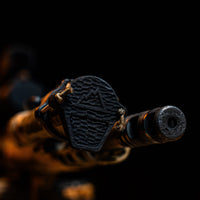
 All Caps
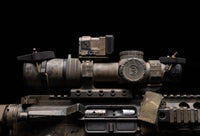 ScopeCaps
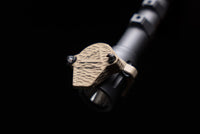 LightCaps
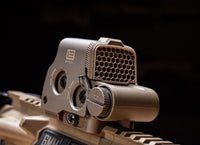 Red Dot Caps
 Night Vision Caps
 Thermal Caps
 Specialty Caps
 Lights
 Red Dots/HWS
 Magnified Optics
 Lasers
 Slings
 Night Vision Devices
 Thermal
 Helmets
 Accessories
 Camouflage
 Water
Water
 Faraday
 EDC
EDC
 Apparel
How to Build a Purpose-Driven Rifle Setup
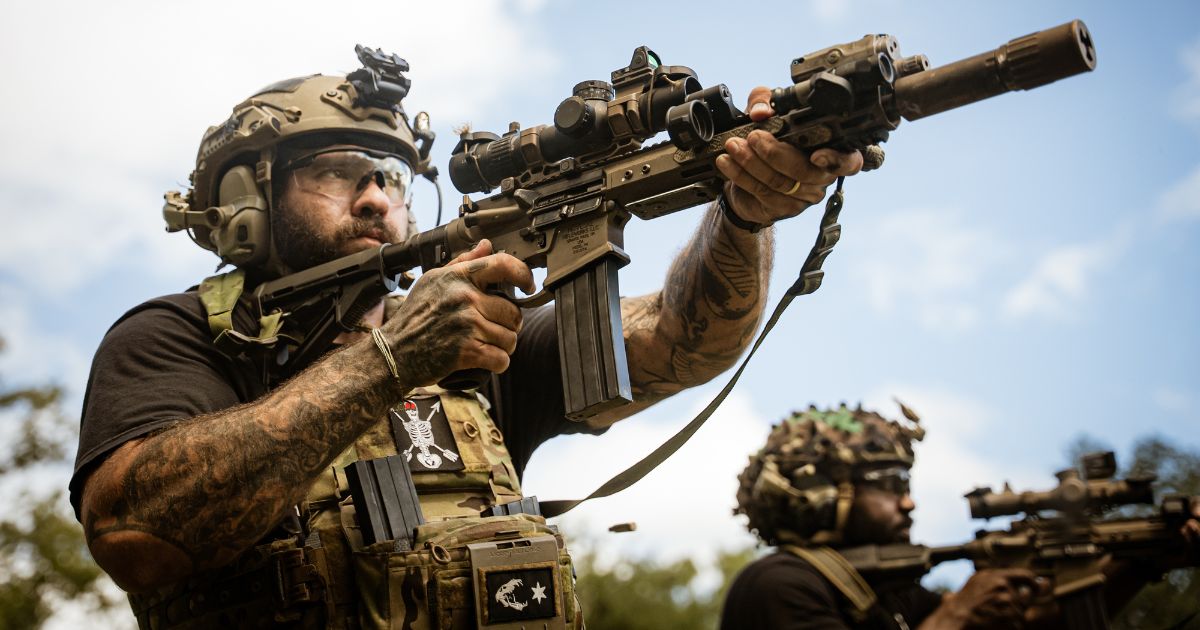
Whether you're assembling your first long-range rifle or refining one you've used for years, it is tempting to add accessories because they are popular or available. But a purpose-driven rifle setup takes a different approach. Because every component should support your rifle's intended role and work with the rest of your equipment.
What Makes a Good Long-Range Shooting Rifle Setup?
A good long-range shooting rifle setup is built around what you need the rifle to do. Every component should improve stability, observation, efficiency, or signature management without adding unnecessary weight, bulk, or complexity.
A rifle does not become more capable simply because it carries more accessories. The best setups solve specific problems while remaining easy to carry, operate, and maintain in the environments where they will actually be used.
The goal is not to build the most accessorized rifle. It is to build one where every component has a clear purpose and works together as part of a complete system. The rest of this guide explains how to do just that.
Start With the Rifle's Purpose
Every rifle setup begins with a simple question: What do you need your rifle to accomplish? The rifle's intended use should determine which features and accessories deserve space on the gun.
A dedicated precision rifle may prioritize stability and observation. That could mean selecting long-range optics with the features you need, mounting them with quality scope mounting rings, and choosing equipment that helps you maintain a consistent shooting position.
A hunting rifle often has different priorities. Carrying comfort, weight, and moving quietly through the environment may matter more than adding every available accessory. For observation-focused roles, protecting optics, reducing reflections, and staying behind the glass for long periods take priority over adding more shooting equipment.
So instead of trying to build a rifle that does everything, you build one that does the job well.
Every Addition Should Solve a Problem

Once you have defined the rifle's purpose, every equipment decision becomes easier. Before adding anything, take a moment to ask a few simple questions.
- What problem does this solve?
- How often will I actually use it?
- What tradeoffs does it introduce?
- Is there a simpler way to accomplish the same goal?
This approach helps you make intentional decisions instead of adding accessories out of habit or because they are common on other rifles.
Ask What the Equipment Improves
Every accessory should provide a clear benefit that supports the rifle's role. If you cannot identify what it improves, it is worth reconsidering whether it belongs on the rifle.
For example, an accessory might improve:
- Observation
- Stability
- Rifle control
- Equipment protection
- Signature reduction
Some accessories address several of these areas at once, while others solve one very specific problem. Neither approach is better on its own. The goal is simply to choose equipment that makes the rifle more effective for the job.
Consider the Tradeoffs
No accessory comes without a cost. Every addition changes the rifle in some way, even if the change seems minor at first.
Before mounting new equipment, think through the tradeoffs. Ask yourself whether the benefit is worth introducing:
- More weight
- More bulk
- Additional reflective surfaces
- New snag points
- Greater complexity
Experienced shooters rarely judge equipment solely by its advantages. They also consider what they are giving up in return. Sometimes the right decision is to add an accessory because the benefits clearly outweigh the trade-offs. Other times, leaving the rifle simpler is the better choice.
Once you have decided that an accessory belongs on the rifle, the next step is to make sure it works with the rest of your setup.
Make Your Equipment Work Together
The most effective rifles are built as complete systems, with each component supporting the others rather than competing for space or creating new compromises.
Optics Influence More Than Accuracy
Your optic does more than help you place accurate shots. It also supports observation, target identification, and gathering information.
And because optics are one of the most exposed and valuable parts of your rifle, protecting them is just as important as selecting them. So rather than treating optic protection as an afterthought, build it into the system from the beginning.
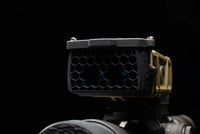
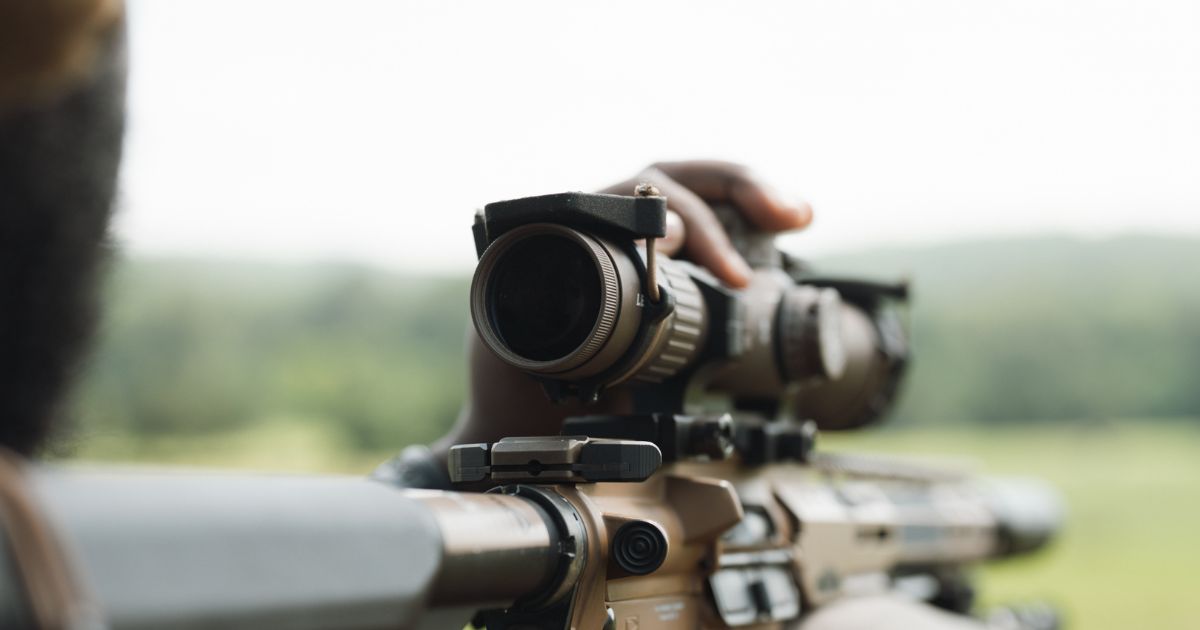
Scope covers help protect lenses from dust, debris, and impacts during transport and field use. At the same time, accessories like anti-reflection devices (ARDs) help reduce visible reflections that draw attention while you're behind the rifle.
Slings Affect More Than Carry
A rifle sling does much more than make the rifle easier to carry between locations. It also affects how consistently you control the rifle throughout the day.
And because the sling connects you to the rifle, its placement influences how the entire system moves. It influences how the rifle hangs, how accessories shift during travel, and how easily you transition into position. A properly set up sling helps keep the rifle stable without interfering with your other equipment, making the entire setup more comfortable and predictable to use.
Texture and Shape Work Together
A streamlined rifle profile is only part of the system. Texture also influences how the rifle appears in the field. Wraps and scrim help break up large, uniform surfaces while protecting equipment from everyday wear.
But they’re most effective when they're part of an intentional setup. Rather than covering every surface, use them where they complement the rifle's overall profile, reduce visual uniformity, and work alongside other signature reduction measures.
Cable Management and Accessory Placement Matter
Small details often have a bigger impact than people expect. A pressure switch that shifts during use or accessories placed where they interfere with your support hand slow you down and create unnecessary distractions.
Thoughtful cable routing keeps controls accessible while reducing snag hazards and unwanted movement. Likewise, placing accessories where they are easy to reach but do not interfere with your natural grip or shooting position helps the entire rifle function more smoothly.
The result is a rifle that operates as a single, coordinated system rather than a collection of unrelated parts.
Test the Setup Like You Actually Use It

The only way to know whether your setup works is to use it under realistic conditions. That is often when small issues become obvious and simple adjustments have the biggest impact.
Evaluate the Rifle During Movement
Take the rifle beyond a stationary shooting position and pay attention to how it behaves during normal use.
Walk with it over uneven ground. Move between standing, kneeling, and prone positions. If your intended use involves climbing, obstacles, or carrying the rifle for long periods, include those activities as well.
Notice whether the rifle remains comfortable and predictable throughout each movement. Does it stay under control? Are accessories easy to reach? Does anything interfere with your grip or shooting position?
Watch for New Problems
This is also your opportunity to confirm whether the tradeoffs you considered actually affect the rifle in practice. Some issues may be minor, while others can change how you use the rifle.
So as you move and handle the rifle, ask yourself:
- What catches light?
- What snags on clothing, gear, or vegetation?
- What shifts out of position?
- What makes unnecessary noise?
- What requires constant adjustment?
Testing your setup with these questions reinforces an important principle: a purpose-driven rifle is refined through observation and experience, not by adding more equipment.
Build Around Purpose, Not Accessories
As your experience grows, your setup will continue to evolve. Test it in realistic conditions, pay attention to what helps and what gets in the way, and do not be afraid to simplify.
If you are looking to build a more capable rifle, One Hundred Concepts designs products that support practical, purpose-driven setups. From optic protection and reflection management to texture disruption, each product is designed to solve a specific problem while helping your rifle function as one complete system.

Leave a comment
This site is protected by hCaptcha and the hCaptcha Privacy Policy and Terms of Service apply.