
 All Caps
 ScopeCaps
 LightCaps
 Red Dot Caps
 Night Vision Caps
 Thermal Caps
 Specialty Caps
 Lights
 Red Dots/HWS
 Magnified Optics
 Lasers
 Slings
 Night Vision Devices
 Thermal
 Helmets
 Accessories
 Camouflage
 Water
Water
 Faraday
 EDC
EDC
 Apparel
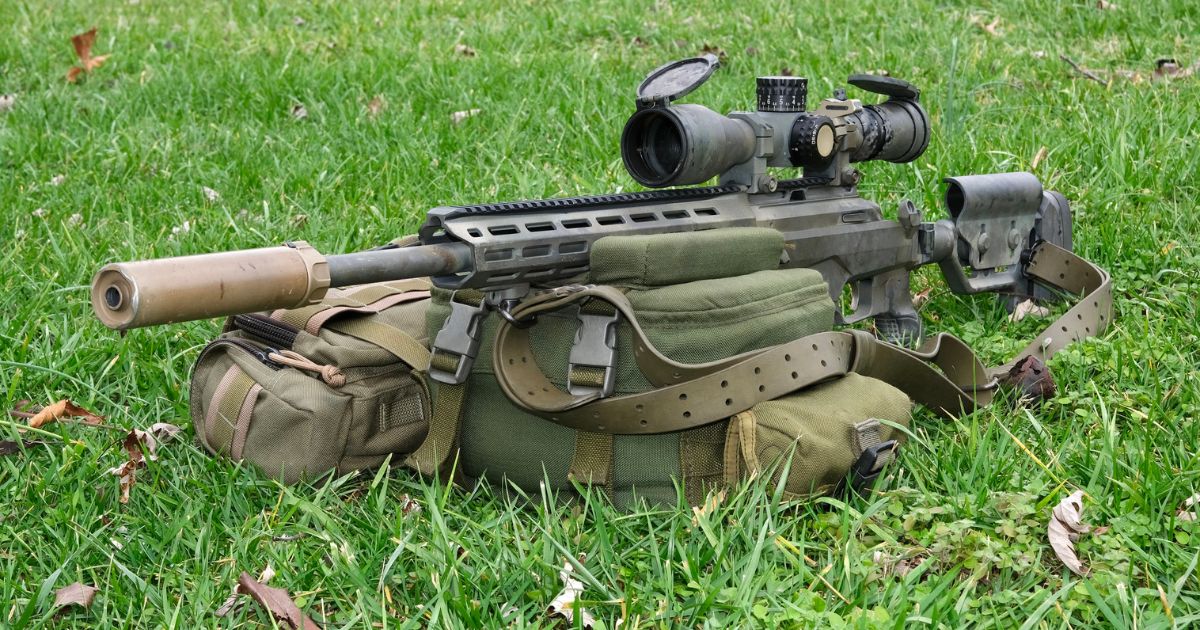
Why Your Rifle Sling Setup Matters for Signature Reduction
A rifle sling’s primary job may be to carry a rifle, but the way a sling is adjusted and managed also affects how much movement, noise, and visual signature the rifle creates.
For anyone focused on signature reduction, the goal is simple: keep the rifle controlled, secure, and predictable. A good sling setup helps reduce unnecessary movement, noise, snagging, and equipment management problems so that you can focus on the task at hand.
How Slings Affect Rifle Movement
Movement often attracts attention before camouflage has a chance to work. A rifle sling can either help control that movement or contribute to it.
Swinging Rifles Create Visual Movement
A rifle that swings freely creates more movement than many shooters realize. As you walk, the rifle may move back and forth, especially if the sling allows a lot of slack. That repeated motion can stand out even when the rest of your body movement is controlled. The rifle may shift with every step, creating a consistent visual cue that draws attention.
Poor Rifle Retention Increases Position Changes
A rifle that does not stay in place often requires constant adjustment. You may find yourself pulling it back into position, repositioning the sling, or preventing the rifle from sliding as you move. Each adjustment creates additional movement. And those small adjustments may seem insignificant, but repeated movement often attracts attention.
How Slings Contribute to Sound Signatures
In many situations, people hear movement before they see it. A metallic click, a loose strap striking equipment, or a rifle bumping into a pack can attract attention even when visual concealment remains effective.
Sling Components Can Create Noise
Every piece of sling hardware has the potential to create noise during movement. Buckles, adjustment hardware, attachment points, and other components can shift, tap, or rattle as you walk. Loose sling material can also contribute to sound signatures. Excess webbing may flap in the wind, strike equipment, or repeatedly brush against gear and clothing.
These sounds are often minor on their own. The problem is that they can repeat over and over during movement. A small click or tap that seems insignificant up close becomes much more noticeable in a quiet environment.
Rifles Can Transfer Noise Throughout Your Gear
A rifle does not move in isolation. As it shifts on the sling, it may contact other equipment you are carrying. Magazines, chest rigs, packs, radios, tools, and other gear all become contact points. Each bump, scrape, or impact creates another opportunity for noise.
This is especially common when a rifle swings freely during movement. What starts as a rifle retention issue quickly becomes a sound signature issue as the rifle repeatedly contacts surrounding equipment.
How Slings Affect Shape and Silhouette
People are often better at recognizing outlines than details. Additional shapes make it easier to identify a person even when individual pieces of gear blend into the background.
Uncontrolled Rifles Change the Body's Outline
A rifle that hangs loosely can change your profile shape as you move. Instead of staying close to the body, the rifle may swing outward, creating a wider and more irregular outline.
This effect becomes more noticeable when climbing, crossing obstacles, or moving through uneven terrain. The rifle may extend well beyond your natural profile, making movement easier to spot from different angles.
Equipment Hanging Outside the Natural Profile
The farther equipment hangs from the body, the more visual complexity it creates. A rifle that shifts away from your torso adds another distinct shape for an observer to notice.
This is especially true when combined with other gear. A rifle, sling, magazines, and other equipment can create multiple overlapping shapes that stand out against the surrounding environment.
Practical Ways to Reduce Sling-Related Signatures

The most effective setups are the ones that remain controlled, quiet, and predictable throughout movement.
1. Secure Excess Webbing
Adjustment tails may flap during movement, brush against equipment, or catch on vegetation and obstacles. Securing excess material helps reduce unnecessary movement and limits opportunities for noise and snagging.
It also makes the sling easier to manage during position changes and movement through confined spaces.
2. Minimize Unnecessary Hardware
Every piece of hardware introduces another potential contact point. Additional buckles, clips, and attachment points can increase weight, create noise, or catch on surrounding equipment.
That does not mean all hardware is a problem. The goal is to avoid carrying components that do not contribute meaningful value to the way you use the rifle. A simpler setup is often easier to manage and easier to keep quiet.
3. Improve Rifle Retention
Good retention helps reduce pendulum-like movement while walking, limits contact with surrounding equipment, and decreases the need for constant adjustments. It also helps maintain a more consistent profile during movement.
If the rifle is frequently shifting position or pulling away from the body, it’s time to reevaluate how the sling is adjusted and carried.
4. Test the Setup While Moving
After making adjustments, test the setup in realistic conditions. Walk with it. Jog with it. Climb over obstacles. Transition between standing, kneeling, and prone positions.
Pay attention to what the rifle does during each activity. Watch for excessive movement, contact with other equipment, snagging points, and areas where the rifle consistently shifts out of position.
5. Pay Attention to Noise and Movement Together
Visual and sound signatures often occur at the same time. A swinging rifle creates movement that attracts attention while also striking equipment and generating noise. A snagged sling may force a sudden movement while producing sounds as gear shifts or catches on obstacles.
Instead of evaluating movement and sound separately, look at how they interact. Reducing one source of unnecessary movement often reduces noise as well.
For more help, check out:
A Sling Is Part of Your Signature Management System
Many signature problems are not caused by a single piece of gear, but by small, repeated issues that add up over time. The good news is that many of these issues are easy to identify and correct.
If you're working to reduce unnecessary signatures across your entire rifle setup, explore One Hundred Concepts rifle slings and accessories, and other equipment designed to help keep gear streamlined, controlled, and field-ready.

Leave a comment
This site is protected by hCaptcha and the hCaptcha Privacy Policy and Terms of Service apply.