
 All Caps
 ScopeCaps
 LightCaps
 Red Dot Caps
 Night Vision Caps
 Thermal Caps
 Specialty Caps
 Lights
 Red Dots/HWS
 Magnified Optics
 Lasers
 Slings
 Night Vision Devices
 Thermal
 Helmets
 Accessories
 Camouflage
 Water
Water
 Faraday
 EDC
EDC
 Apparel
The Sound Signatures Most Shooters Overlook
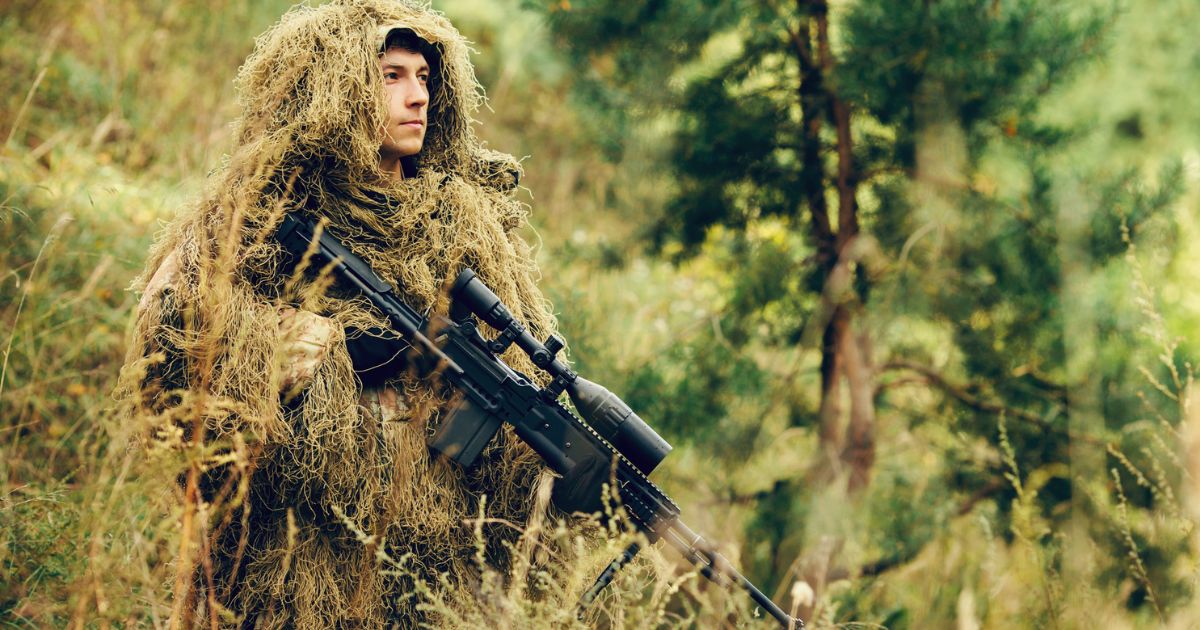
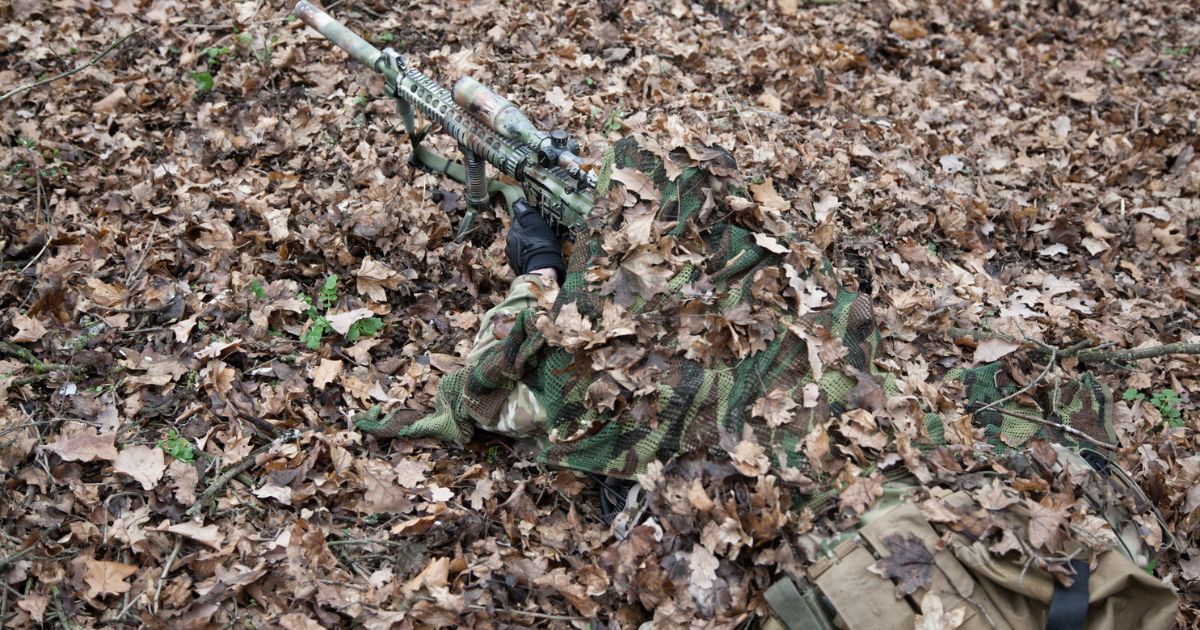
Most shooters think about visual signatures first. Camouflage, shadows, movement, and reflective surfaces often receive the most attention when discussing concealment. But sound is another part of the equation. Small noises can reveal movement, attract attention, and make visual detection easier.
Understanding where these sound signatures come from is the first step toward reducing them. By identifying common noise sources and making a few practical adjustments, you can build a quieter and more streamlined setup.
What Is a Sound Signature?
A sound signature is any noise that can reveal your presence, location, movement, or activity. In field environments, equipment noise often creates sound signatures long before a rifle is fired. A loose buckle tapping against a rifle or a piece of gear shifting during movement can all create detectable noise.
Why Humans Naturally Notice Unexpected Sounds
People are naturally tuned to notice sounds that seem out of place. It is part of how humans identify changes in their surroundings and recognize potential threats.
In quiet environments, even small noises stand out. A faint metallic click may be easy to ignore at a busy range, but the same sound becomes more noticeable in a still wooded area or open terrain.
Sound also attracts attention quickly. Someone may hear a noise before they ever see the person or equipment that caused it. Once attention is focused in the right direction, visual detection often becomes much easier.
Common Sound Signatures
Most equipment-related sound signatures come from small interactions between gear components rather than obvious mistakes by the shooter. As setups become more complex, the number of potential noise sources increases.
Loose Straps and Webbing
As you move, unsecured webbing can flap against packs, chest rigs, rifles, and other gear. Even light contact can create a repeating sound pattern that draws attention.
Wind makes the problem worse. A strap that remains quiet on a calm day may start striking nearby equipment as conditions change.
You may not notice the noise while walking, but someone nearby may hear the repeated contact long before they see you.
Buckles and Hardware
Buckles, adjustment hardware, and attachment points create another common sound signature.
Plastic hardware is generally quieter than metal, but it still creates noise when equipment shifts during movement. A buckle striking a rifle stock, optic mount, or pack frame can produce a noticeable click.
Metal hardware tends to be more obvious. Even small impacts between metal components create sharp sounds that carry farther than many shooters expect.
These noises often occur during transitions, position changes, or whenever equipment is allowed to swing freely.
Velcro Closures
Hook-and-loop closures are useful because they are simple, adjustable, and secure. They are also one of the loudest sounds many shooters make. These noises are often created during administrative tasks such as adjusting equipment, accessing notes, or reorganizing gear.
The issue is not that Velcro should never be used, but understanding when and where those adjustments occur.
Metal-on-Metal Contact
Metal-on-metal contact often produces the sharpest and most noticeable equipment sounds. A single metallic click travels surprisingly well in quiet conditions. Repeated contact becomes even more noticeable because it creates a recognizable pattern.
Many shooters focus on obvious contact points but overlook secondary interactions. A carabiner striking a buckle or a mounted accessory contacting another piece of equipment during movement all contribute to a larger sound signature.
Items Stored Inside Pouches
Items stored inside pouches shift, bounce, and strike one another during movement. The more empty space inside a pouch, the more opportunity equipment has to move around. A spare battery rolling against a multitool creates noise every time you change positions.
This is especially common with equipment added temporarily and then forgotten. Small accessories often end up sharing storage space, with no way to keep them organized or secure.
Why Noise Often Goes Unnoticed by the Person Creating It

One challenge with sound signatures is that the person creating the noise is often the least likely to notice it.
Familiar Sounds Become Easy to Ignore
The human brain is good at filtering out familiar information. If you hear the same buckle tapping against your gear every time you move, you may eventually stop noticing it. Someone else does not have that advantage. To an observer, that same noise stands out because it is new, unexpected, and disconnected from the surrounding natural sounds.
This is one reason equipment noise can be difficult to evaluate on your own. Familiarity often makes recurring sounds seem less important than they really are.
Hearing Protection Can Mask Equipment Noise
Hearing protection is essential during live-fire activities, but it also changes how equipment sounds are perceived.
Depending on the type of hearing protection being used, some gear noises seem quieter, less noticeable, or easier to ignore. Electronic hearing protection can help maintain environmental awareness, but it still changes how certain sounds are experienced. The result is that a shooter may not notice equipment-generated noise that remains obvious to someone nearby.
This does not mean hearing protection is a problem. It simply highlights the importance of evaluating equipment noise outside of live-fire situations as well.
Environmental Noise Creates False Confidence
Wind, vehicles, conversations, range activity, and other background noise mask equipment sounds. A setup that seems quiet at a busy range sounds different in a wooded area, open terrain, or any environment with limited background noise.
This can create false confidence. Because equipment sounds are harder to hear in some settings, it is easy to assume they are not present at all.
A useful habit is to evaluate equipment in quieter conditions. Small noises that disappear into background activity often become much more obvious when the environment is still.
How to Reduce Unnecessary Equipment Noise
Small improvements often produce noticeable results because many sound signatures come from a handful of recurring problems.
Secure Loose Materials
Securing loose materials helps reduce repetitive noise and often makes equipment feel more stable.
- Look for anything that can swing, flap, bounce, or come into contact with nearby equipment during movement.
- Pay particular attention to items that move independently from the rest of your gear. These components often create noise long before you notice them.
Minimize Unneeded Hardware
Every buckle, clip, attachment point, and accessory creates another potential contact point. As gear becomes more complex, opportunities for noise increase. Reducing bulk often reduces unnecessary sound signatures as well.
That does not mean removing useful equipment. It means taking an honest look at whether each component serves a purpose for your intended use.
This reflects a simple reality: fewer moving parts generally create fewer opportunities for equipment-generated noise.
Organize Equipment
Equipment is easier to manage when items have a dedicated location.
- Batteries, tools, notebooks, rangefinders, and other small accessories should be stored to limit movement and prevent contact with other items.
- Consistent organization also reduces unnecessary adjustments. When you know exactly where something is located, you spend less time shifting equipment and searching through gear.
Test Equipment Under Realistic Conditions
Many sound signatures do not appear until equipment is used as it will be in the field. As you evaluate your equipment, try:
- Walking normal distances
- Moving at a faster pace
- Climbing obstacles or uneven terrain
- Kneeling and standing
- Transitioning into and out of the prone position
- Accessing equipment from pouches and pockets
Listen for repeated sounds rather than isolated events. Patterns often reveal problems that are easy to miss during a quick inspection.
Small Sounds Often Create Big Signature Problems
Reducing sound signatures does not require eliminating every noise. Instead, focus on securing loose materials, organizing equipment, and removing unnecessary sources of movement and contact. Small adjustments make a noticeable difference.
Explore One Hundred Concepts’ gear designed to help shooters build cleaner, more efficient, and lower-signature equipment setups.

Leave a comment
This site is protected by hCaptcha and the hCaptcha Privacy Policy and Terms of Service apply.