
 All Caps
 ScopeCaps
 LightCaps
 Red Dot Caps
 Night Vision Caps
 Thermal Caps
 Specialty Caps
 Lights
 Red Dots/HWS
 Magnified Optics
 Lasers
 Slings
 Night Vision Devices
 Thermal
 Helmets
 Accessories
 Camouflage
 Water
Water
 Faraday
 EDC
EDC
 Apparel
Why Optics Covers Fall Off
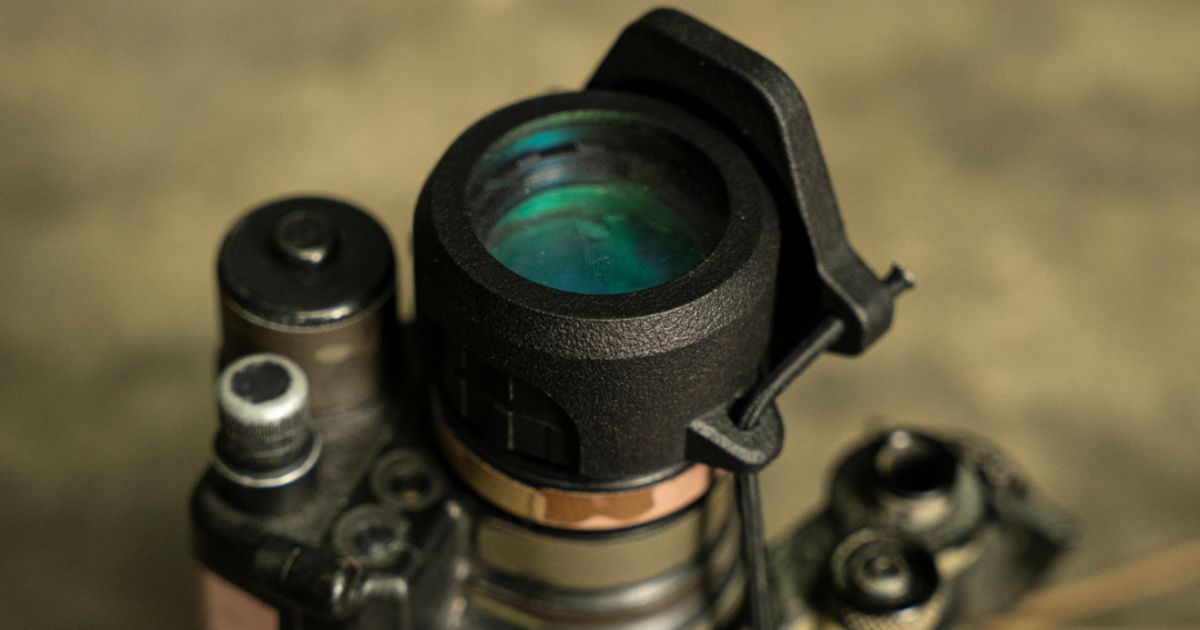
An optics cover that keeps falling off is more than a minor annoyance. A lost cover can leave your optic exposed and create another piece of equipment you have to manage in the field. Understanding why optics covers fall off will help you identify weak points in your current setup and make better decisions about the equipment you rely on.
What Causes Optics Covers to Fall Off?
A cover may seem secure when you're standing at the range. Then it falls off during a hike, after a few shots, or while moving through brush. In many cases, the problem is not a single failure but several small factors working together to reduce retention over time.
Improper Fit
Fit is one of the most common reasons an optics cover falls off. Many covers are designed to fit within a specific diameter range. If the cover is slightly too large for your optic, it may feel secure at first, but gradually work loose during use.
Over time, some materials can stretch as they are installed, removed, and reinstalled. Even a cover that originally fit well may lose some of its holding force after extended use.
If your cover regularly slips off during normal handling, fit should be the first thing you evaluate.
Wear and Repeated Use
Like any piece of gear, optics covers wear over time. Repeatedly removing and reinstalling a cover can stress the material and its attachment points. As materials age, they can lose some of the tension that helps keep the cover in place.
You might notice that a cover stays secure for months before gradually becoming easier to remove. That change is often a sign of material fatigue rather than a problem with the optic itself.
Long-term exposure to sunlight, temperature changes, moisture, and general field use can also accelerate wear. Even durable materials eventually reach a point where retention is not as strong as it once was.
Environmental Factors
Environmental conditions can affect how well an optics cover stays attached. Heat makes some materials softer and more flexible. Cold temperatures make materials stiffer and less forgiving. Repeated temperature changes may gradually affect how consistently a cover fits.
Moisture can also play a role. Rain, snow, and condensation reduce friction between the cover and the optic, especially if the fit is already marginal.
Dirt, dust, mud, and other debris can create small gaps between the cover and the optic housing. Those gaps may not seem significant, but they can reduce retention and make it easier for movement to work the cover loose.
These factors rarely cause problems on their own. More often, they expose a fit or wear issue that was already developing.
Movement Also Creates Retention Problems

A cover that feels secure during a quick inspection may slowly work loose as the rifle is carried, transported, and used. Small vibrations, repeated contact, and constant movement can gradually reduce retention until the cover finally comes off.
Walking and Daily Movement
Every step sends small vibrations through the rifle and attached equipment. The optic may bump against gear, shift on a sling, or move as you navigate uneven terrain. None of these movements is particularly significant on its own. The challenge is that they happen hundreds or thousands of times throughout a day.
If an optics cover already has a marginal fit, those repeated movements can slowly work it loose until it eventually falls off.
Vehicle Travel and Transport
Rifles transported in vehicles are exposed to continuous vibration. Even if the cover remains attached, those vibrations may loosen it enough that the next bump or impact causes it to come off.
So for shooters who frequently travel with their equipment, transport can be just as demanding as field use.
Contact With Gear and Obstacles
Field use creates more opportunities for optics covers to snag, rub, or catch on surrounding gear.
Vegetation can catch on equipment as you move. Packs and slings may rub against the optic during transitions. Barricades, shooting supports, and other gear can also contact the cover during normal use.
In many cases, shooters never notice these interactions when they happen. A branch brushes against the rifle or equipment shifts while climbing into position. Each contact may be minor, but repeated contact increases the likelihood that a loose cover will eventually come off.
That is why retention matters most in the environments where equipment is used hardest. The more movement, vibration, and contact your gear experiences, the more important secure attachment becomes.
Reliable Retention Starts With Proper Design
Most shooters are not looking for another piece of gear to manage, but equipment that stays where it belongs. And good equipment often goes unnoticed because it simply does its job.
Fit and Retention Work Together
Proper fit matters, but fit alone is not enough. Retention must remain consistent after repeated handling and exposure to real conditions. A cover that only works well when everything is clean, dry, and stationary will struggle in regular field use.
Equipment Should Stay Where It Belongs
You should not have to wonder whether your optics cover is still attached after a long hike or a day at the range. The more reliable the retention system, the less time you spend checking gear and the more attention you can devote to the task at hand.
A Reliable Setup Reduces Equipment Management
Many gear problems start small. A loose optics cover may seem like a minor inconvenience at first. Over time, however, repeated adjustments or lost covers become another item competing for your attention.
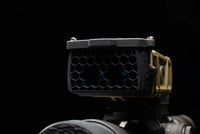
Purpose-built solutions are designed to reduce those distractions. Products such as ScopeCap, ScopeCap Pro, and HexCap are built around the idea that protective equipment should remain secure while supporting how rifles are carried and used.
Good Gear Solves Problems Instead of Creating Them
Rather than adding more gear management tasks, the goal is simple: keep optics protected, keep equipment where it belongs, and reduce one more potential point of failure in your setup.
If you are frequently checking whether a cover is still attached, adjusting it after movement, or replacing lost covers, it's time to evaluate your current setup.
Explore One Hundred Concepts' line of optic caps to learn more about protection solutions designed for real use.


Leave a comment
This site is protected by hCaptcha and the hCaptcha Privacy Policy and Terms of Service apply.