
 All Caps
 ScopeCaps
 LightCaps
 Red Dot Caps
 Night Vision Caps
 Thermal Caps
 Specialty Caps
 Lights
 Red Dots/HWS
 Magnified Optics
 Lasers
 Slings
 Night Vision Devices
 Thermal
 Helmets
 Accessories
 Camouflage
 Water
 Faraday
 EDC
 Apparel
Article: What Actually Damages Optics in the Field?
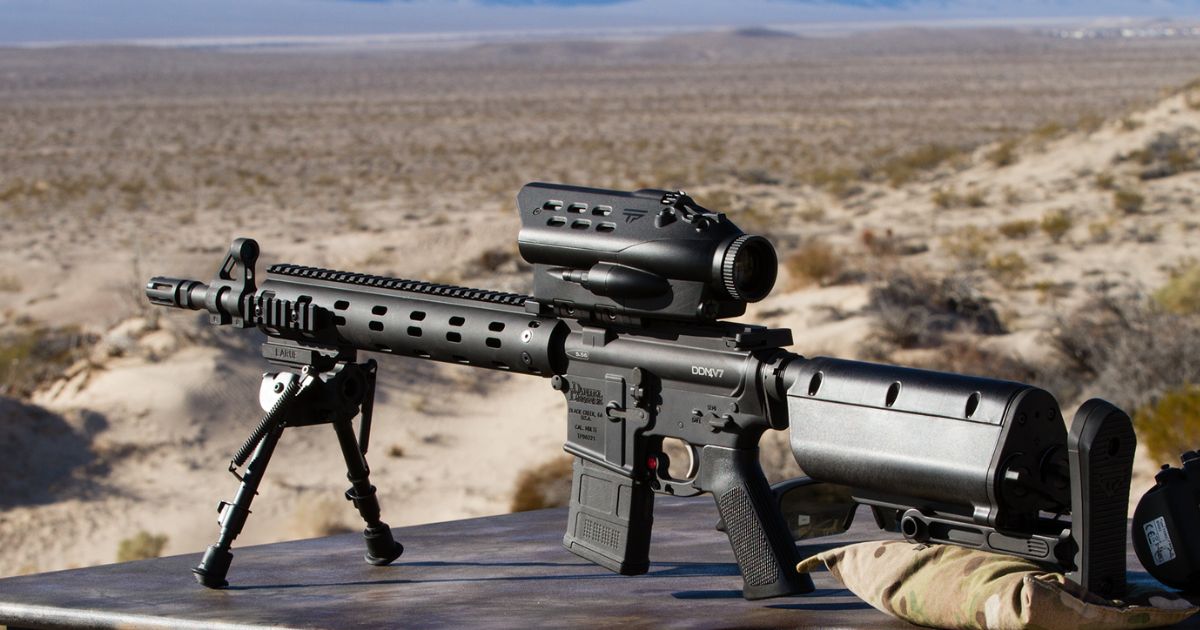
What Actually Damages Optics in the Field?
You don't have to drop a rifle to damage its optic. Everyday field conditions and handling can also damage rifle optics over time. So here are five ways optics get damaged.
1. Impacts
A hard impact is a more obvious threat than gradual rubbing or abrasion, but not every bump means your optic is damaged. Quality tactical optics are built to handle demanding use. What matters is how hard the optic was hit, where the impact occurred, and whether anything changed afterward.
Some parts of an optic are more exposed to direct impacts than others. The objective and ocular ends, adjustment turrets, illumination controls, housing, and mounting interfaces can all take a hit when a rifle is dropped, knocked against a hard surface, or struck during use.
The location and direction of the impact can matter as much as the visible mark it leaves. A scuff on the housing may be cosmetic, while a direct hit to a turret, lens, or mounting interface is more likely to affect how the optic functions.
A Hard Impact Can Create Problems You Can't Immediately See
Instead of judging its condition only by the exterior, check whether it still functions as expected. Warning signs can include an unexpected shift in zero, changes in image quality, or adjustments that no longer work normally.
2. Scratches
Scratches don't always come from dropping your rifle or hitting the optic against something hard. Routine contact with the rest of your gear can also leave marks, especially when the same surfaces rub or knock together repeatedly.
Depending on how you carry, transport, and position it, the optic may come into contact with pack buckles, sling hardware, barricades, or other surfaces.
Some of that contact may only leave cosmetic marks on the optic's housing. However, exposed lenses deserve more attention because a scratch on them can affect what you see through the optic.
Pay attention to repeated contact points in your setup. A buckle that occasionally taps the optic may seem insignificant, but the same contact over hours of movement can create wear you wouldn't expect from any single bump.
Not Every Mark Means Your Optic Is Damaged
Scuffs and finish wear on the housing may be cosmetic, while damaged lenses, unreliable adjustments, internal fogging, or an unexpected shift in zero deserve closer attention. What matters is whether the damage affects how the optic performs.
3. Dust and Grit
Fine dust and dirt are normal parts of using an optic in the field. They can collect on exposed lenses and make the image harder to see, but their presence doesn't mean the glass has been damaged.
Problems start when abrasive particles get dragged across the lens. Wiping a dusty objective lens with a cloth, glove, or shirt can move sand and grit across the surface rather than lifting it away.
Field conditions can make contamination harder to manage. Rain can cause dust and grit to stick to exposed lenses, while mud can leave abrasive particles behind as it dries.
When possible, first remove loose debris before wiping the lens. This reduces the chance that cleaning creates scratches or other surface damage.
Repeated Abrasion Can Damage Lens Coatings
Visible scratches aren't the only concern. Rifle optics use coatings to improve how light passes through the lenses, and repeated abrasive cleaning damages those coatings.
That doesn't mean you need to clean your optic every time a little dust appears. In some situations, leaving minor debris alone until you can clean the lens properly is better than aggressively wiping it in the field.
Protecting an exposed lens from dust and grit in the first place can also reduce how often it needs cleaning. The less abrasive material you have to remove, the fewer opportunities there are to damage the lens or its coatings.

4. Moisture
Moisture can make an optic harder to use without actually damaging it. The key is distinguishing water on an exposed surface from moisture that has seeped into the optic.
Rain, condensation, and water droplets on an exterior lens can blur the image, scatter light, or make it difficult to see through the optic. That loss of visibility can be a problem in the moment, but it doesn't necessarily mean the optic itself has failed.
Treat exterior moisture as an obstruction first. Clear it carefully when needed, while avoiding the temptation to scrub a wet, dirty lens if grit or other debris is also present.
Internal Moisture Is a Different Warning Sign
Fogging or moisture inside the optic is more concerning since internal moisture can indicate that the optic's seal has been compromised.
If internal fogging occurs or keeps returning, inspect the optic. Persistent internal moisture may warrant contacting the manufacturer for inspection or service, especially if you also notice changes in image quality or other problems with the optic.
5. Transport
Your optic can take plenty of abuse when the rifle isn't in use. Transport can expose it to hours of vibration, bumps, and repeated contact that are easy to overlook because they don't happen during active use.
A rifle riding in a vehicle may shift as you drive over rough roads or uneven terrain. If it isn't secured well, the optic can bump against seats, racks, hard surfaces, or nearby equipment.
None of those contacts needs to be severe on its own. The concern is repeated exposure, especially when an adjustment turret, exposed lens, or other vulnerable part keeps contacting the same surface.
Cases and Packs Don't Prevent Every Contact Point
A case or pack adds useful protection, but what you put around the rifle still matters. Hard tools, buckles, loose equipment, or abrasive material inside the case can create their own contact points.
So before transport, check what sits against the optic and whether anything can shift into it along the way. Protective covers can add another barrier over exposed lenses and controls, but they don't replace thoughtful packing.
Protect the Parts That Are Most Exposed

You can't keep an optic away from every source of wear in the field. You can, however, put a barrier between its most exposed parts and the dust, moisture, debris, and equipment they're likely to encounter.
Cover Exposed Lenses When You're Not Using Them
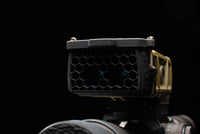
A scope cap or protective cover shields the lens when you aren't actively looking through it. This barrier can keep dust and grit off the lens, limit exposure to mud and rain, and prevent surrounding equipment from making contact with the glass.
One Hundred Concepts offers scope caps designed to protect exposed optic surfaces while keeping your rifle setup practical.
Protection Shouldn't Make the Optic Harder to Use
Protection still has to work with the way you use the optic. A cover that adds bulk, blocks controls, interferes with your sight picture, or regularly comes loose creates problems of its own.
Look for protection that stays secure when you need it, then moves out of the way quickly when it's time to use the optic. Fit and retention matter here, which is also why understanding why optics covers fall off can help you choose a setup that protects the optic without adding another piece of gear to manage.
Protect Your Optic From the Damage It Encounters
Most optics don't spend their lives sitting untouched on a bench. They're carried, packed, transported, exposed to weather, pushed through vegetation, and used around dirt and debris. So you can't prevent every mark, but you can protect the parts where damage could interfere with the optic's performance.
Shop One Hundred Concepts' caps collection to find scope caps and other protective solutions for your optics.


Leave a comment
This site is protected by hCaptcha and the hCaptcha Privacy Policy and Terms of Service apply.